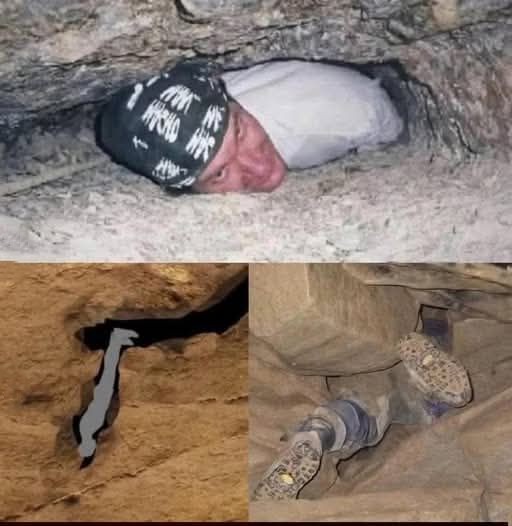
That physical pressure can quickly become mental pressure. The body reads confinement as a threat, and panic can take over before a person has time to think clearly. Heart rate rises. Breathing changes. The instinct is to fight the space, push harder, and escape immediately.
In a cave or rock squeeze, that instinct can make things worse. Struggling may increase friction, shift the body into a tighter position, or burn through energy that needs to be conserved. In many tight-space incidents, calm decision-making matters more than raw strength.
Why Rescuers Have to Move Slowly
Rescue crews working in confined spaces face a difficult challenge. They are not simply pulling someone free. They have to understand the position of the trapped person, the shape of the rock, the pressure points on the body, and the safest way to create even a small amount of movement.
Progress can be painfully slow. A successful adjustment may be measured in centimeters. Rescuers may need to guide breathing, reduce panic, reposition limbs, or create a safer angle before any real movement is possible. Rushing can increase the risk for both the person trapped and the emergency team trying to help.
This is why preparation matters so much before entering caves or narrow formations. Proper lighting, helmets, protective clothing, reliable communication plans, mapped routes, and awareness of exit points can all reduce risk. Outdoor recreation may feel spontaneous, but tight-space environments leave little room for improvisation when something goes wrong.
What Readers Should Know
Curiosity is a powerful reason people explore. It drives adventure, science, photography, travel, and the simple desire to see what is beyond the next turn. But underground spaces do not adjust to human comfort. A passage that looks inviting from one angle can become extremely difficult once the body is committed.
For anyone interested in caving or similar outdoor exploration, the safest approach is to treat preparation as part of the experience, not an inconvenience. Going with experienced people, using appropriate gear, knowing personal limits, and avoiding unplanned squeezes can make the difference between a memorable outing and an emergency.
The most important lesson is also the least dramatic: survival in confined spaces often depends on slowing down. Calm breathing, small movements, and clear thinking can matter more than force.
It is a reminder that exploration is at its best when curiosity is matched with caution.