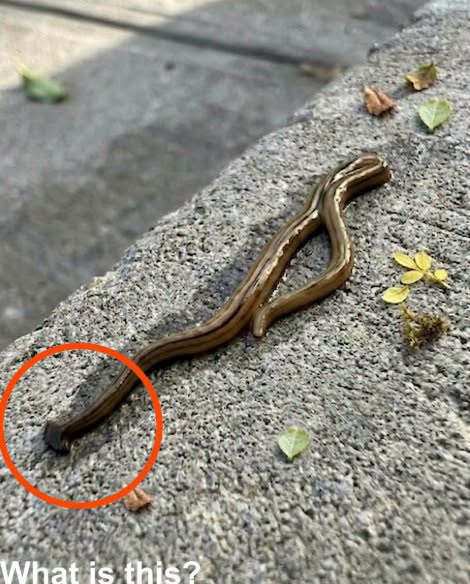
That movement comes from mucus and tiny structures on their bodies that help them travel across damp ground, sidewalks, garden beds, and other moist surfaces. They are most likely to be noticed when conditions are humid or wet.
Unlike earthworms, hammerhead worms are predators. They feed on small soil organisms, including earthworms. That matters because earthworms help support healthy soil by breaking down organic material and improving soil structure.
Why Gardeners Should Pay Attention
A single odd-looking worm in the yard may not seem important, but hammerhead worms can be a concern in areas where they are considered invasive. Their presence may affect local soil life, especially if they reduce earthworm populations in a garden or landscaped area.
For homeowners who invest time and money into lawn care, vegetable gardens, landscaping, composting, or soil improvement, that makes identification useful. Healthy soil is part of what keeps plants growing well, and soil organisms play a quiet but important role in that process.
They may look harmless, but direct contact is not recommended. Some species can produce substances that may irritate the skin, so it is safer to observe without touching. If one is found in a yard or garden, the best approach is to remove it carefully and follow local guidance for handling invasive species in your area.
What Readers Should Know
If you spot a worm-like creature with a wide, flattened head, avoid picking it up with bare hands. Take a moment to identify it, keep children and pets from handling it, and check local environmental or extension resources for recommended removal methods.
It is also a reminder that ordinary places around the home can hold unexpected wildlife. A sidewalk, garden bed, or damp patch of soil can reveal creatures most people walk past without noticing.
The next time something unusual moves across the ground, it may be worth pausing for a closer look. Nature often hides its strangest details right outside the front door.