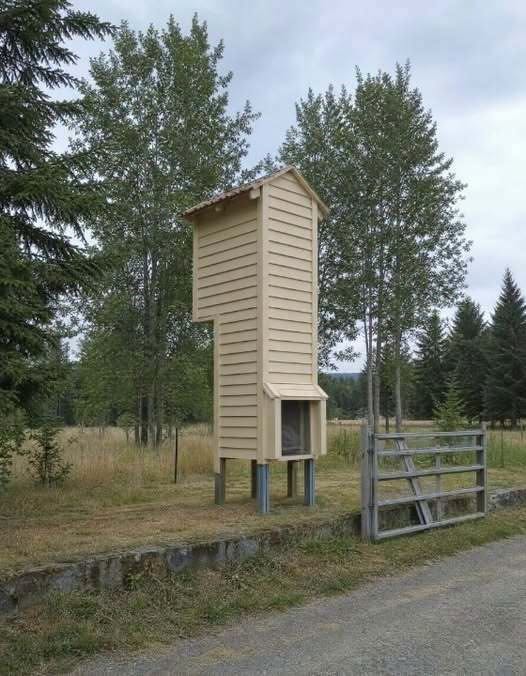
That can be useful in locations where pulling out onto the road is risky because approaching vehicles are hidden until the last moment. A driver may be able to stop, look through the mirror system, and get a better sense of whether traffic is coming before moving forward.
Why Some Driveways Need This Kind of Help
Not every driveway has a clear view of the road. Rural roads, older properties, steep terrain, and narrow lanes can create sight-line problems that are difficult or expensive to fix. In some cases, improving visibility might require road redesign, tree removal, grading work, new signage, or approval from local authorities.
A mirror-based viewing system can offer a more affordable and practical option for private property owners when major road work is not realistic. It does not change the road itself, and it does not require electricity, internet service, ongoing software support, or camera maintenance.
That matters because road safety improvements often come with real costs. Property owners, local governments, and road agencies have to consider installation expenses, maintenance, liability, and whether a proposed fix is allowed under local rules. A simple optical system may not solve every problem, but it can be a useful tool in the right setting.
What Readers Should Know
Roadside periscopes are not common, but the concept is not unique. Similar mirror systems have appeared on private property in different countries where driveways or small roads connect to areas with poor visibility.
More familiar versions of the same idea include large convex traffic mirrors installed near difficult intersections, sharp bends, parking exits, or narrow lanes. Those mirrors can help drivers spot approaching vehicles, pedestrians, or cyclists, although they are not approved or suitable everywhere.
One reason is that mirrors can distort distance and speed. A vehicle may look farther away or closer than it really is, depending on the mirror and viewing angle. That is why a mirror or periscope should be treated as a visibility aid, not a replacement for stopping, checking carefully, and driving cautiously.
The charm of these wooden towers is that they solve a modern safety problem with old physics. No screen, subscription, or electronic warning system is needed. Just carefully placed mirrors, a sturdy housing, and a practical understanding of how light travels.
It is a reminder that useful engineering does not always have to be complicated. Sometimes the cleverest roadside safety feature is the one most drivers pass without understanding at all.