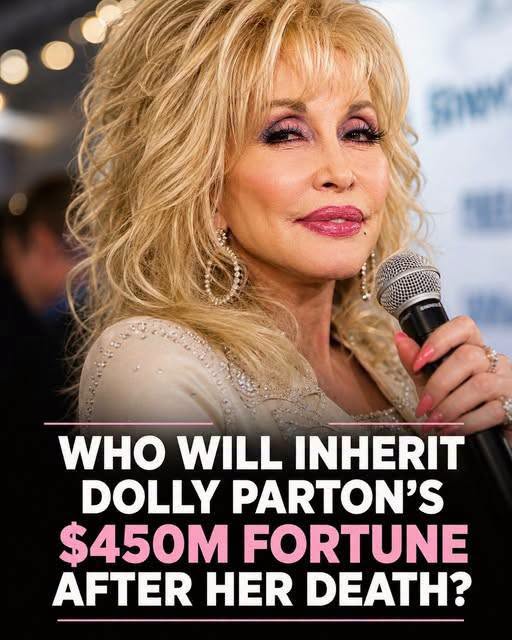
Still, public guesses should not be treated as confirmed information. Unless wills, trusts, beneficiary records, probate filings, or official statements become available, there is no reliable way to know exactly how specific assets may be distributed.
Large estates are often planned long before the public ever sees a document. Assets may move through trusts, companies, contracts, beneficiary designations, or operating agreements rather than a simple probate process.
That matters in Parton’s case because her wealth is not limited to one bank account or one property. It may involve music rights, intellectual property, real estate, businesses, charitable interests, and brand-related assets connected to her name and career.
Parton has previously spoken about preparing for the future and trying to avoid unnecessary conflict among relatives. For an estate of this size and complexity, that kind of planning can be just as important as the dollar amount itself.
The Value Behind the Music
One of the most important pieces of Parton’s financial story is her songwriting catalog. Songs such as Jolene, 9 to 5, and I Will Always Love You remain deeply valuable because they can generate income through recordings, performances, licensing, publishing, and other commercial uses.
But a catalog valuation is not the same thing as cash sitting in an account. The value of music rights can rise or fall depending on ownership structures, contracts, licensing demand, market conditions, and how those rights are managed over time.
That makes the future control of her creative work one of the most important estate and business questions. Whoever manages those rights could influence how her songs are licensed, protected, and introduced to future audiences.
The same is true for Dolly Parton’s broader business identity. Her name is closely tied to Dollywood and related brand interests, which involve operating companies, employees, partnerships, visitors, and long-term commercial planning.
Succession in that kind of business setting is rarely as simple as handing over a single asset. It can involve management teams, corporate agreements, intellectual property rules, and decisions that affect jobs, tourism, and future revenue.
The Bigger Picture
Parton’s fortune is interesting, but her legacy is not only financial. Her impact is already visible in the music she created, the businesses she helped grow, and the philanthropic programs she supported.
The Imagination Library may be the clearest example. The program provides books to young children, showing how a public figure’s resources can be turned into an institution that continues serving families over time.
That is an important difference between wealth and legacy. Money can be counted, transferred, taxed, invested, or disputed. A lasting institution can keep creating opportunities long after the original paperwork is complete.
Until authoritative documents or statements are made public, specific claims about who receives what should be viewed as speculation. The final distribution of a private estate is a legal matter, not a guessing game.
What is already clear is that Dolly Parton turned her success into something larger than celebrity. Her songs will keep finding listeners, Dollywood will keep drawing visitors, and her charitable work can keep reaching children and families.
The numbers may continue to fascinate people, but the more lasting story is how much of her life’s work was built to outlive the spotlight.