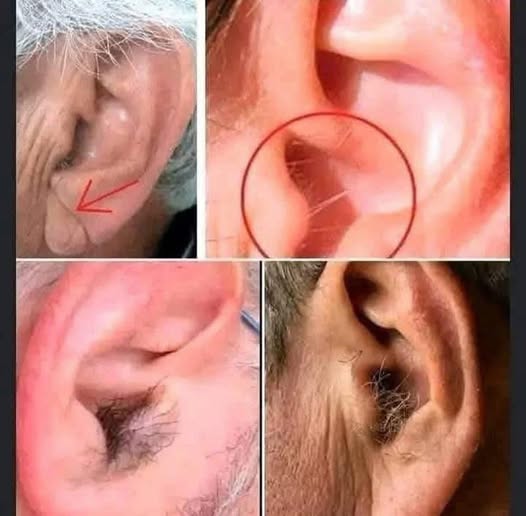
This does not necessarily mean a person’s hormone levels are increasing. In many cases, the follicles are simply reacting differently than they did earlier in life.
Genetics also matter. If close relatives developed noticeable ear hair as they aged, there is a greater chance the same pattern may appear in other family members. For many people, it is simply an inherited aging trait.
Ear Hair Has a Purpose
Although visible ear hair can be annoying, it is not useless. Tiny hairs inside the ear help act as a natural filter. They can trap dust, dirt, and small particles before they move deeper into the ear canal.
That protective role is one reason ear hair should be handled carefully. People often choose to trim or groom it for appearance, but aggressive plucking or unsafe tools can irritate the skin. If grooming causes pain, bleeding, or repeated irritation, it may be better to ask a healthcare professional or a trained grooming provider about safer options.
What Readers Should Know
Gradual ear hair growth is usually harmless. The time to pay closer attention is when hair growth changes suddenly, becomes unusually thick in a short period, or appears along with other symptoms.
Rarely, abnormal hair growth can be related to conditions such as hypertrichosis, which causes excessive hair growth in areas where it is not typically expected. This is different from ordinary age-related ear hair and is usually more noticeable or widespread.
Some research has examined whether heavy ear hair could be linked to heart disease risk, but the evidence is not clear enough to treat ear hair by itself as a reliable warning sign.
Still, symptoms such as chest pain, shortness of breath, dizziness, or unexplained fatigue should always be taken seriously. If those symptoms appear, it is wise to seek medical guidance rather than focusing only on the hair growth.
For most people, ear hair is just one of the body’s smaller age-related changes. It may be inconvenient, but it is usually normal, and understanding why it happens can make it a little less surprising.
Keep an eye on gradual changes, and if something feels sudden or unusual, it is always reasonable to ask a healthcare professional.