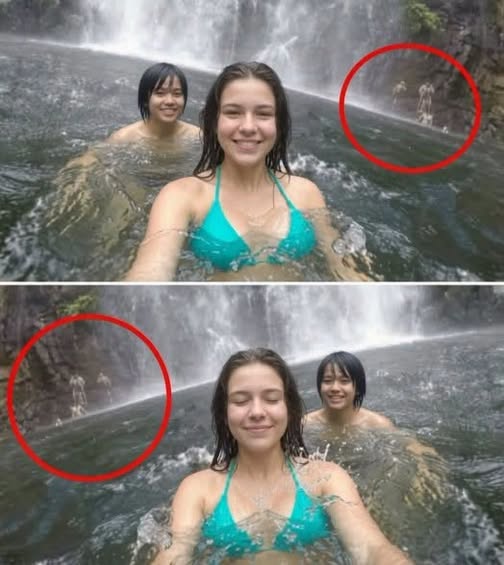
That skill helps us move through daily life without becoming overwhelmed by every detail around us. But it also means we often overlook things that do not immediately match what we expect to see.
When we glance at an image, the brain quickly looks for familiar patterns: faces, shapes, movement, objects, and context. If something unusual blends into the background or appears in an unexpected place, it may go unnoticed until we slow down and study the scene more carefully.
Then, once we spot it, the detail can feel impossible to miss.
What Makes These Images So Addictive
Visual puzzles create a different kind of online moment. Instead of scrolling past, people pause. They zoom in, compare what they noticed, and often share the picture with someone else to see if they catch the same detail.
Two people can look at the exact same image and notice completely different things. One person may focus on the subject in the center, while another spots something tucked into the corner. That difference is part of what makes these pictures so engaging.
They turn a simple photo into a shared experience. The fun is not only in finding the hidden detail, but also in realizing how easily the mind can be directed away from it.
The Bigger Picture
There is a small lesson in these images beyond entertainment. Everyday life works the same way. A conversation can reveal more when we listen carefully. A familiar place can feel new when we stop rushing. A routine moment can become memorable because of one detail we almost missed.
In a world built for quick scrolling and fast reactions, “look twice” photos remind us that attention has value. Sometimes the most interesting part of a scene is not the loudest or most obvious thing in it.
So the next time a picture looks ordinary, take a few seconds before moving on. The detail that changes your view may already be there, waiting to be noticed.