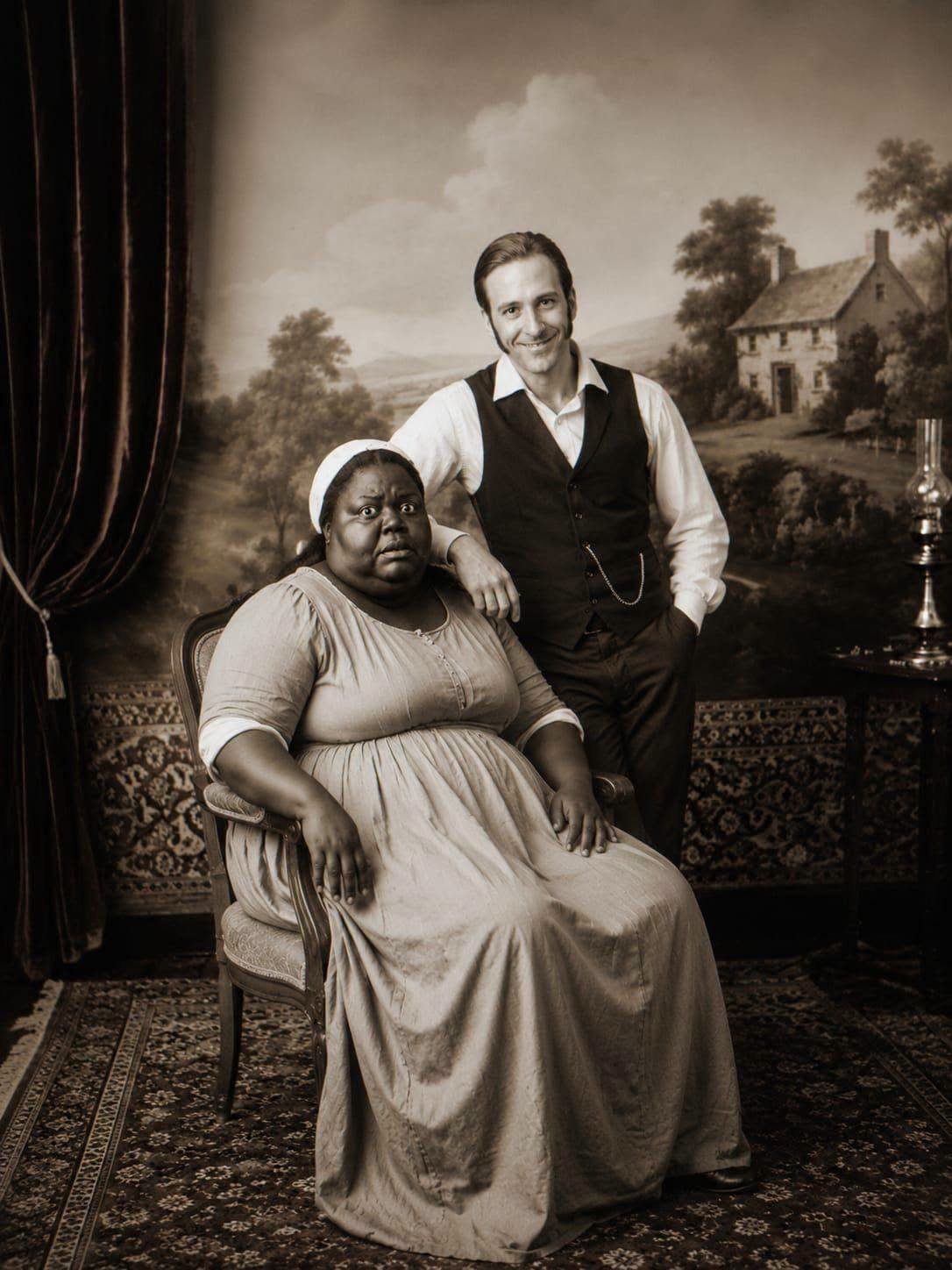
As interest weakened, the bidding is said to have dropped to an unexpectedly low amount. Then a man named Joaquim Lacerda made an offer, changing the course of Benedita’s life within a system that remained deeply unjust.
That moment is the reason her story is often remembered. Yet the most important part is not the sale itself. It is what the account reveals about a society willing to reduce a human being to perceived value, usefulness, and control.
Vassouras and Brazil’s Coffee Economy
Vassouras was an important town in Brazil’s coffee-growing region during the 19th century. Coffee wealth helped shape communities, land ownership, labor demands, and local power. Enslaved labor was central to that system, and countless people lived under conditions that separated families, denied autonomy, and exposed them to forced work.
Benedita’s story should not be treated as a simple curiosity about a tall or unusually strong woman. It belongs to a much larger history of exploitation. The details that make the story memorable also show how easily enslaved people were judged by appearance, rumor, and social prejudice rather than treated as full human beings.
There is also another layer to the account: the way women who did not fit narrow expectations could be seen as threatening. Height, strength, and independence could be interpreted through fear or suspicion, especially in societies that expected women to remain within restricted roles.
The Bigger Picture
Stories passed down over generations can be difficult to verify in every detail. Historians often have to work with incomplete records, oral accounts, and documents shaped by the biases of the time. Whether every part of Benedita’s story can be independently confirmed is a question for researchers.
Still, the broader historical setting is not in doubt. Brazil’s slave system affected millions of people, and Vassouras was part of a region deeply connected to that history. Remembering Benedita means looking beyond the unusual details and recognizing the human life behind them.
Her story remains powerful because it challenges a habit that history often exposes: reducing people to labels before understanding them. Benedita was not merely a body, a reputation, or a figure in a sale. She was a person whose worth could never be defined by the assumptions of others.
Remembering stories like hers is one way to read history more honestly — and to notice the people who were too often pushed to its margins.