For British households and businesses, that kind of pressure can show up in indirect ways: higher travel costs, more expensive shipping, and added uncertainty for companies that rely on fuel-heavy supply chains. Airlines, logistics firms and energy suppliers are often among the first to feel the effect when Middle East tensions raise concerns about supply.
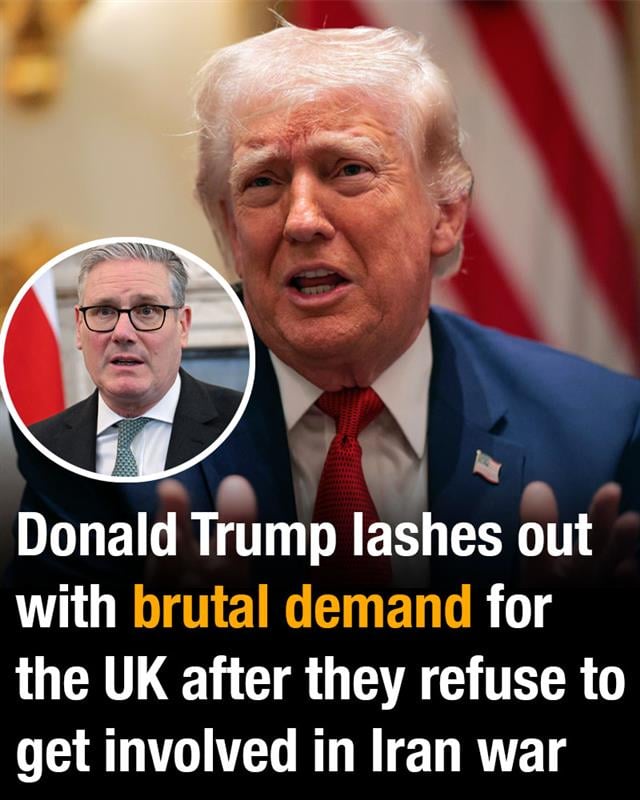
That is why Trump’s message landed as more than a diplomatic insult. It raised a practical question for the UK: how far can Britain maintain an independent foreign policy if its defense planning still depends heavily on American military support?
The Royal Visit Adds Another Layer
The tension became more complicated when Trump also spoke warmly about hosting King Charles III and Queen Camilla for a state visit. He described the occasion in positive terms and referred to a planned White House banquet, creating a sharp contrast between his criticism of Britain’s elected government and his praise for the monarchy.
That split message has made the episode harder to read. On one side, Trump appeared to signal frustration with the UK government’s refusal to join a military campaign. On the other, he maintained a respectful tone toward the royal family, which remains one of Britain’s most visible symbols abroad.
For critics, the contrast looks like an attempt to apply public pressure while preserving ceremonial warmth. Supporters may see it differently, arguing that allies should contribute more directly when American resources and military commitments are at stake.
Why This Matters
The US and UK have cooperated for decades on defense, intelligence, trade and global diplomacy. When that relationship appears unstable, the consequences can spread quickly through NATO planning, energy markets and investor confidence.
The immediate issue is Iran. The larger question is whether US support for allies is becoming more conditional and transactional. If Washington expects military alignment in exchange for protection, countries such as the UK may face harder choices over defense spending, foreign policy independence and long-term security planning.
For now, the public warmth of a royal visit sits uneasily beside a blunt warning over military support. That contrast is likely to keep the future of the US-UK relationship under close scrutiny.
As tensions continue, the key question is not just what was said, but how much of the old alliance still holds when major decisions are on the line.