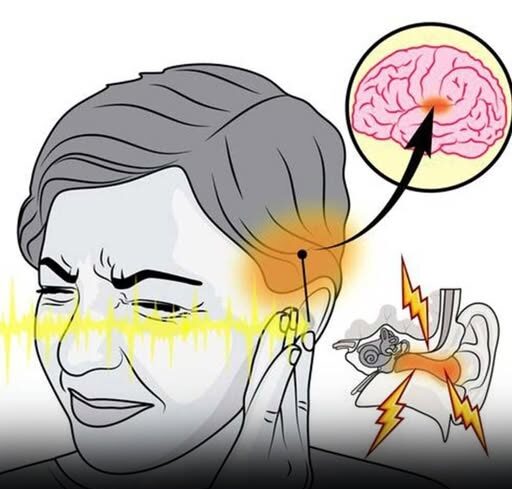
Why That Ringing in Your Ear Might Not Mean What You Think
Have you ever been lying in bed late at night when everything becomes quiet, only to suddenly notice a faint ringing, buzzing, or humming sound in your ear?
At first, it may seem insignificant. Easy to brush off. But once you become aware of it, it can feel impossible to ignore.
For many people, the first reaction is worry:
Is something seriously wrong? Is my hearing getting worse? Could this be permanent?
The reassuring reality is that tinnitus is usually not dangerous and is not considered a disease itself. Instead, it acts more like a signal from your body—one that may provide clues about hearing changes, stress levels, or other factors affecting your auditory system.
Understanding what tinnitus is and what may contribute to it can help replace fear with clarity.
What Is Tinnitus?
Tinnitus is the perception of sound without an external source creating it.
People commonly describe it as:
- Ringing
- Buzzing
- Humming
- Hissing
- Whistling
- Clicking
- Pulsing or whooshing sounds
The experience varies from person to person. It may:
- Affect one ear or both
- Feel like it’s coming from inside the head
- Appear occasionally or continuously
- Be barely noticeable or more distracting
Tinnitus itself is considered a symptom rather than a condition. Similar to dizziness or discomfort, it often signals that something within the auditory system has changed.
Why Tinnitus Often Feels Stronger at Night
One of the most common questions people ask is why tinnitus seems louder in the evening.
The answer may be linked to how the brain processes sound.
Throughout the day, your surroundings provide constant stimulation:
- Conversations
- Traffic sounds
- Music
- Movement
- Background noise
These sounds naturally compete with internal signals.
When nighttime arrives and everything becomes quieter, the brain has fewer sounds to focus on. As a result, internal sounds may seem more noticeable.
This does not necessarily mean tinnitus is becoming worse.
Many people notice it most during:
- Bedtime
- Quiet rooms
- Periods of exhaustion
- Stressful days
Continue reading on the next page…