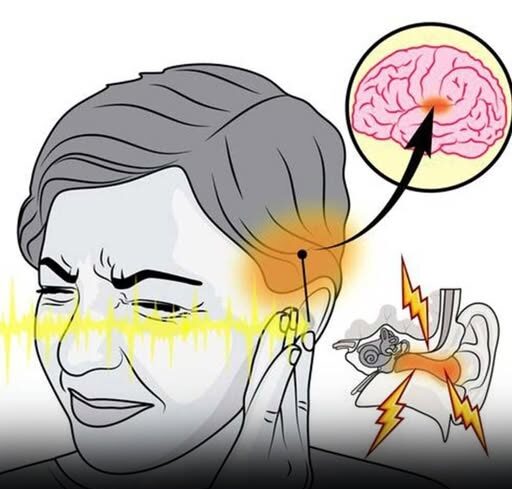
Common Reasons Tinnitus Can Occur
Noise Exposure
Frequent exposure to loud sounds remains one of the most common factors linked to tinnitus.
Examples include:
- Concerts
- Loud music through headphones
- Power tools
- Heavy machinery
- Traffic or engine noise
Even moderate noise exposure over long periods may affect hearing sensitivity.
Hearing Changes
Tinnitus frequently appears alongside hearing changes.
As hearing becomes less sensitive to certain sound frequencies, the brain may increase internal activity to compensate. Some researchers believe this process may contribute to tinnitus perception.
This is often seen with:
- Natural aging
- Long-term sound exposure
- Mild hearing loss
Earwax Buildup
One of the simplest explanations may also be one of the easiest to address.
Excessive earwax can:
- Block sound waves
- Affect pressure in the ear
- Create irritation
If earwax is involved, appropriate removal may improve symptoms.
Sinus and Ear Conditions
Temporary ringing or buzzing may appear during:
- Sinus congestion
- Ear infections
- Fluid buildup
- Pressure changes during flights or colds
In many situations, symptoms improve as the underlying issue resolves.
Stress and Fatigue
Stress may not directly create tinnitus, but it can make it feel more noticeable.
High stress levels can:
- Increase awareness of sounds
- Affect sleep quality
- Reduce the brain’s ability to tune out distractions
Many people report stronger symptoms during emotionally demanding periods.
Jaw and Neck Tension
Jaw joints and neck muscles share connections with structures near the ear.
Issues such as:
- Teeth grinding
- Jaw clenching
- Poor posture
- Muscle strain
may influence tinnitus symptoms in some individuals.
Medication Factors
Certain medications have been associated with tinnitus in some cases.
These may include:
- High-dose pain relievers
- Specific antibiotics
- Some medications affecting the nervous system
Anyone experiencing new symptoms after starting medication should speak with a healthcare professional.
When Tinnitus Is Usually Less Concerning
Many cases are considered lower risk when:
- Symptoms come and go
- Both ears are affected equally
- Hearing remains stable
- There are no additional symptoms
Millions of people experience mild tinnitus without significant long-term problems.
When It May Be Time to See a Doctor
Consider speaking with a healthcare provider if:
- Symptoms last longer than one or two weeks
- Ringing becomes stronger over time
- Sleep or concentration is affected
- Only one ear is involved
- Hearing changes occur
Prompt medical evaluation may also be important if symptoms appear suddenly alongside dizziness, hearing loss, or unusual neurological symptoms.
Common Approaches for Managing Tinnitus
While there is no universal solution, many strategies may help reduce its impact.
Sound Support
Gentle background sounds can make tinnitus less noticeable.
Popular choices include:
- White noise
- Fans
- Soft music
- Nature sounds
Many people find these especially helpful before sleep.
Sleep and Stress Habits
Small daily habits can make a significant difference:
- Maintain consistent sleep schedules
- Reduce evening screen time
- Practice relaxation techniques
- Limit caffeine late in the day
Addressing Related Conditions
Managing factors such as:
- Earwax buildup
- Muscle tension
- Jaw discomfort
- Hearing concerns
may help reduce symptoms.
The Most Important Thing to Remember
One fact often surprises people:
The brain is remarkably adaptable.
Over time, many individuals report that tinnitus gradually becomes less noticeable, even if the sound itself does not completely disappear.
Much of the distress often comes from fear and uncertainty.
Once people understand what may be happening, the sound often becomes easier to manage.
Final Thoughts
Tinnitus can feel frustrating or even alarming when it first appears, but in many cases it is not a sign of a serious problem.
It may simply reflect:
- Hearing changes
- Stress and fatigue
- Temporary ear conditions
- The brain’s response to sound changes
Understanding what tinnitus may mean can turn worry into confidence and help you take practical steps toward better hearing and peace of mind.
Join the Conversation
Have you ever experienced ringing or buzzing in your ears? Share your experience or tips in the comments below and join the discussion with other readers.