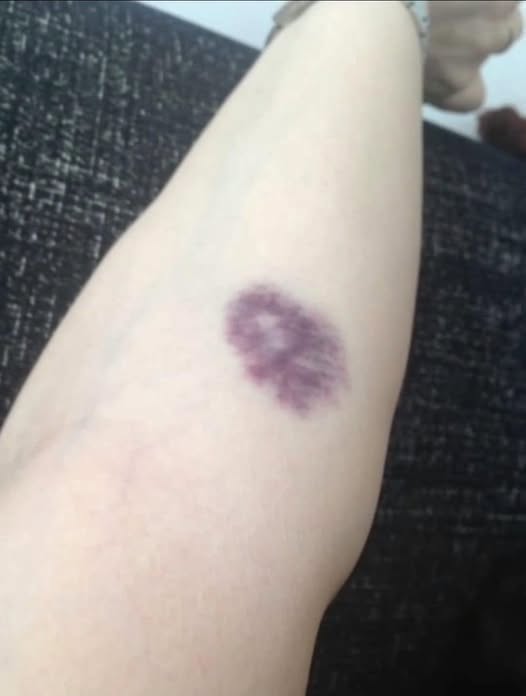
Some people bruise more easily than others. Skin can become thinner with age, making blood vessels more vulnerable to small bumps. Certain medications may also make bruising more noticeable. Nutritional factors and general health can play a role as well, which is why repeated changes are worth mentioning during a medical visit.
When Bruising Should Not Be Ignored
Most bruises are not a sign of a serious problem. Still, it is reasonable to contact a healthcare provider if bruises appear often, develop without an obvious cause, seem unusually large, or happen along with other symptoms that concern you.
A doctor may ask about your medical history, recent injuries, medications, diet, and any other changes you have noticed. Depending on the situation, simple blood tests may be used to check areas such as clotting, platelet levels, or nutritional status.
That kind of evaluation does not mean something serious is happening. It simply helps rule out possible causes and gives you clearer guidance instead of guessing.
What Readers Should Know
For a typical minor bruise, basic self-care is usually enough. Resting the area, using a cold compress soon after the injury, and giving the bruise time to heal are common approaches. If you are unsure what is appropriate for your situation, it is best to ask a healthcare professional.
A balanced diet that includes fruits, vegetables, lean proteins, and whole grains can also support overall skin, blood vessel, and circulatory health. Good everyday wellness habits do not prevent every bruise, but they can help the body function well.
The main takeaway is simple: one unexplained bruise is usually not a reason to panic. A pattern of frequent, unusual, or unexplained bruising is different and should be discussed with a healthcare provider.
Paying attention to small changes can help you make better decisions about your health, especially when your body seems to be sending a repeated message.