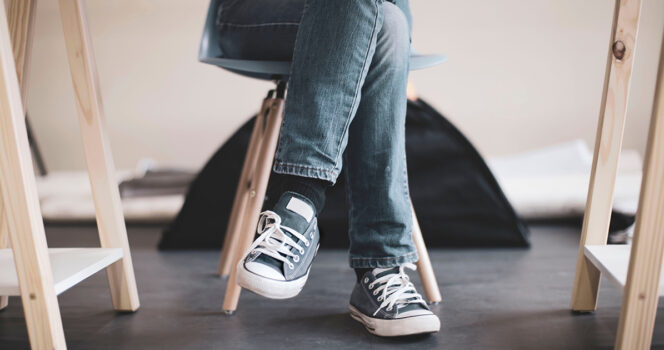
Why Women Cross Their Legs: Psychology, Confidence, and What Body Language Can Reveal
Leg-crossing is often dismissed as a simple sitting habit, but in real life it can reflect a mix of comfort, confidence, personal boundaries, and social awareness. From long-standing etiquette rules to modern workplace norms, the way someone positions their legs can quietly influence how they’re perceived—and how they feel in the moment.
Below is a practical, ad-friendly body language breakdown of why many women cross their legs, and what it may communicate in different settings.
A Quick Look at the Cultural Roots of Leg-Crossing
For generations, posture has been tied to expectations around “politeness” and presentation. In the 1800s, many social circles encouraged women to sit with ankles crossed or legs angled to the side, while crossing at the knee could be seen as too bold or improper.
By the mid-20th century, style and media helped reshape what “proper” looked like. Classic fashion icons made the crossed-leg pose feel refined and intentional—less about strict etiquette and more about poise, image, and self-possession.