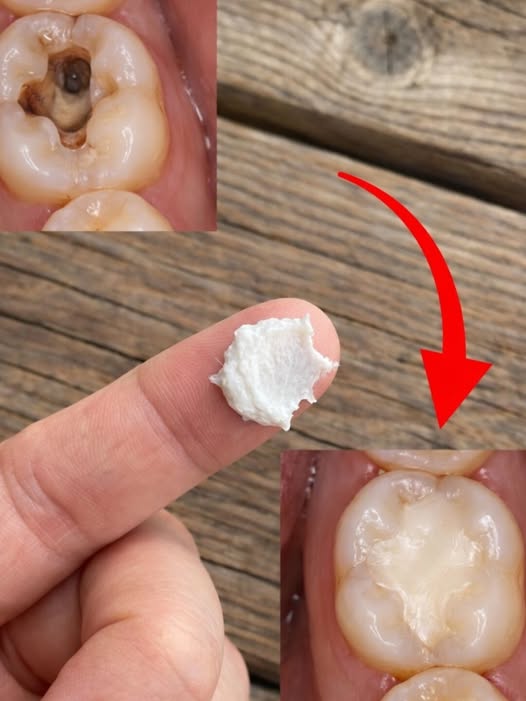
Understanding How Cavities Develop
Dental cavities rarely appear suddenly. They form gradually over time as oral bacteria interact with sugars and carbohydrates in the mouth. These bacteria release acids that slowly erode tooth enamel, the protective outer layer of teeth.
If left unchecked, these early areas of damage can develop into full cavities, eventually causing sensitivity, pain, or infection. Modern habits—frequent snacking, sugary drinks, stress, dehydration, dry mouth, and inconsistent oral hygiene—can accelerate this process.
Because early enamel erosion often causes no noticeable discomfort, many people remain unaware until professional treatment becomes necessary.
Maintaining Daily Oral Balance
Good long-term oral health relies on consistent habits throughout the day rather than occasional intensive cleaning. Key goals include limiting acid exposure, supporting saliva production, strengthening enamel, and managing bacterial activity.
While brushing, flossing, using fluoride, and visiting the dentist regularly are essential, certain natural practices can enhance oral balance when used responsibly alongside conventional care.
The Role of Bacteria and Acid in Tooth Decay
The human mouth hosts hundreds of bacterial species, many of which are harmless or even beneficial. Problems arise when cavity-causing bacteria, like Streptococcus mutans, dominate. These bacteria feed on sugars and carbohydrates, producing acids that demineralize enamel by stripping calcium and phosphate.
Saliva naturally helps counteract acid by neutralizing pH and supplying minerals for enamel repair. Frequent acid exposure, however, can overwhelm this defense. How often you eat or drink sugary or acidic foods can be more impactful than the total amount consumed. Continuous snacking or sipping sugary drinks keeps the mouth acidic, increasing cavity risk.
Saliva: Your Natural Defense
Saliva is essential for protecting teeth and gums. It washes away food particles, neutralizes acids, slows harmful bacterial growth, and delivers minerals for enamel repair. Conditions like dry mouth (xerostomia) reduce saliva, allowing acids and bacteria to linger.
Hydration, nasal breathing, stress management, and chewing sugar-free gum (especially xylitol gum) can help maintain healthy saliva flow.
Supportive Practices for Oral Health
Continue reading in the next page…