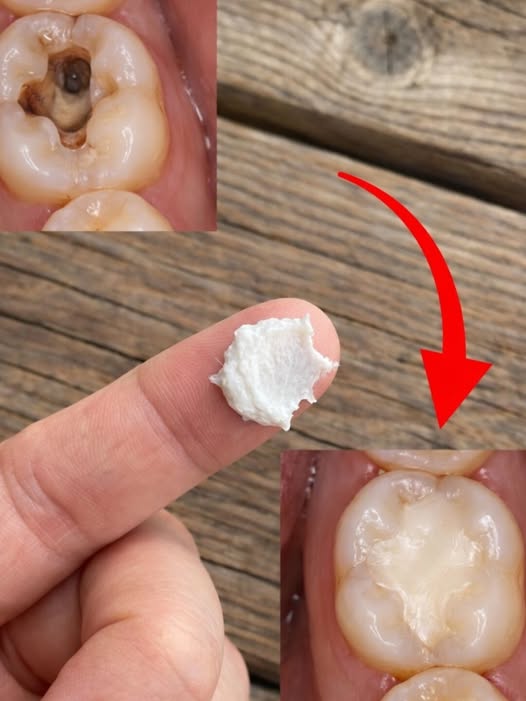
Oil Pulling – This traditional practice involves gently swishing a tablespoon of oil, often coconut oil, in the mouth for several minutes. It may reduce harmful bacteria, improve mouth freshness, and support gum health. Oil pulling should never replace brushing or flossing but can be a complementary habit.
Salt Water Rinses – Rinsing with warm salt water can help flush debris, neutralize mild acidity, and soothe irritated gums. It is gentle on beneficial bacteria and especially useful after dental procedures or periods of gum sensitivity.
Xylitol – This natural sugar alcohol found in some fruits and vegetables disrupts cavity-causing bacteria, reducing acid production and supporting saliva flow. Chewing xylitol gum after meals can aid in preventing cavities while promoting enamel remineralization.
Nutrition and Enamel Support
A mineral-rich diet is critical for strong teeth. Calcium and phosphorus help repair enamel, and vitamin D enhances calcium absorption. Dairy, leafy greens, nuts, seeds, legumes, fatty fish, eggs, and sunlight exposure support these nutrients.
Chewing whole foods stimulates saliva, further assisting oral health. Pairing snacks with protein or healthy fats can reduce acid spikes and protect enamel.
Eating Patterns and Oral Health
Frequent snacking prevents the mouth from returning to a neutral pH, prolonging enamel demineralization. Allowing breaks between meals and limiting sugary or starchy foods reduces this risk. Drinking water after eating and mindful eating habits further support healthy oral conditions.
Brushing, Flossing, and Timing
Brushing remains essential, but timing matters. Avoid brushing immediately after acidic foods or drinks, as enamel is temporarily softened. Waiting about 30 minutes allows saliva to neutralize acids.
Use a soft-bristled brush and fluoride toothpaste to strengthen enamel. Floss daily to remove plaque and debris in areas a toothbrush can’t reach, especially between teeth and along the gumline.
Lifestyle Factors
Chronic stress, smoking, and excessive alcohol can negatively impact oral health by reducing saliva, altering bacterial balance, and encouraging poor hygiene. Managing stress, sleeping well, staying hydrated, and reducing harmful habits all contribute to stronger teeth and gums.
Professional Dental Care
Even with consistent daily habits, regular dental visits are essential. Dentists can detect early enamel weakening, cavities, or gum disease and perform professional cleanings to remove hardened plaque that brushing alone cannot eliminate. Natural and supportive practices work best alongside professional care, which can be tailored to individual needs.
Creating a Mouth-Friendly Routine
Cavity prevention is about daily patterns rather than perfection. Limiting sugar, maintaining saliva, strengthening enamel, and consistent hygiene all create an oral environment that favors repair over decay. Practices like oil pulling, salt water rinses, xylitol use, and nutrient-rich diets complement conventional care, improving long-term dental resilience.
By focusing on balance, moderation, and consistency, it is possible to reduce cavity risk and support lasting oral health sustainably.