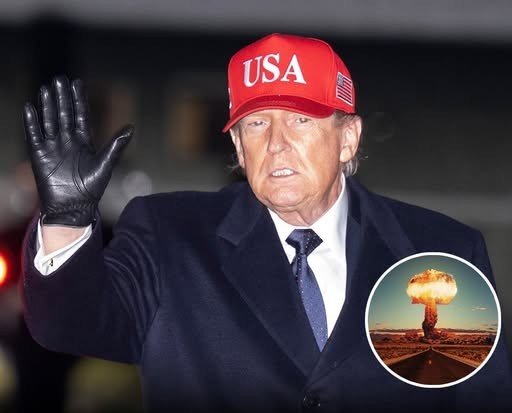
In the United States, emergency management agencies regularly update protocols for a wide range of scenarios, from natural disasters to national security threats. These systems are built on early warning networks, communication infrastructure, and coordinated response strategies intended to reduce risk and maintain order during crisis situations.
It is also important to separate speculation from verified information. In moments of heightened tension, misinformation and exaggerated claims can spread quickly, increasing public fear without providing clarity. Responsible reporting and official guidance remain the most reliable sources of information during uncertain times.
Historically, even during periods of major global instability, daily life in most regions continues with varying levels of disruption rather than total collapse. Governments, institutions, and local authorities focus heavily on continuity—ensuring that essential services such as healthcare, utilities, transportation, and emergency response remain functional.
Still, the emotional impact of alarming statements from public figures should not be underestimated. Words can shape perception, and perception can shape behavior. That is why clear communication, context, and measured responses are so important during moments of international concern.
For individuals, preparedness often means focusing on practical, grounded steps: staying informed through credible sources, understanding local emergency guidance, and avoiding panic-driven decisions based on speculation.
Ultimately, while fears about large-scale conflict can feel very real, they are best addressed through information, planning, and perspective rather than uncertainty and rumor.
If this topic made you think differently about global risk and preparedness, share your perspective—do you feel public communication today helps calm fears, or sometimes makes them worse?