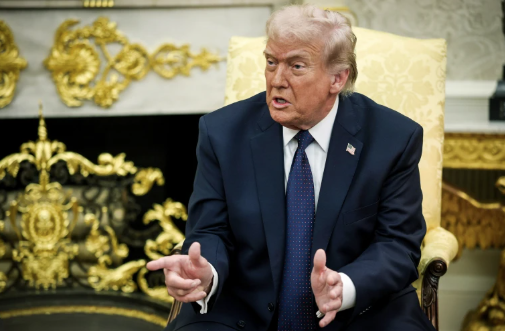
In early 2025, Donald Trump shook the landscape of American higher education with a bold executive order targeting international students involved in campus activism. The policy allows federal authorities to potentially revoke visas for students participating in demonstrations deemed “anti-Israel,” framing the move as a national security measure—but igniting fierce debate over free speech, civil liberties, and the rights of non-citizens.
How the Policy Works
The order directs federal agencies to identify and act against non-citizen students whose activism is interpreted as supporting foreign terrorist organizations, specifically citing Hamas. Officials argue that the policy enforces existing immigration laws and protects students from harassment while maintaining domestic peace. Supporters claim it’s a necessary deterrent against anti-Semitic intimidation on campuses, emphasizing that studying in the U.S. comes with the responsibility to avoid endorsing violent ideologies.
Backlash and Legal Concerns
Civil rights groups, legal scholars, and university administrators have pushed back hard. Critics warn that the policy’s vague definitions of “anti-Israel” speech could create a chilling effect, where students self-censor to avoid deportation. Universities face uncertainty, balancing constitutional rights with federal mandates, while immigration lawyers highlight the challenge of proving “endorsement” of terrorism in legal terms. Many predict lengthy court battles over the order’s interpretation and enforceability.
Student Reactions
International student communities are split between caution and defiance. Groups advocating for Palestinian rights continue to voice concerns, carefully distinguishing human rights activism from rhetoric that could be construed as endorsing violence. Anxiety permeates campus life as students weigh the cost of speaking out against the risk to their academic future.
Campus Culture in Flux
Continue reading on next page…