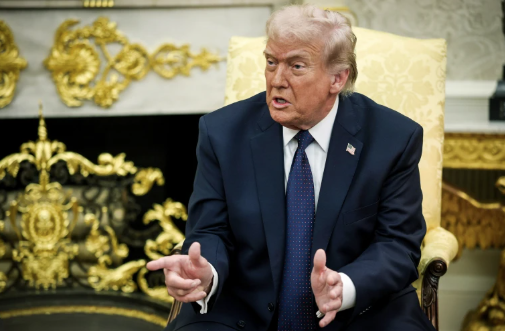
Since the order’s rollout, some universities have seen fewer protests, while others have erupted with demonstrations against the policy itself. The administration remains firm, presenting the order as a core tool in combating anti-Semitism and protecting campus safety. Legal challenges continue to mount, setting the stage for a potential Supreme Court showdown that could reshape the rights of non-citizens across the nation.
Broader Implications
The policy raises fundamental questions about the balance between national security and academic freedom. If international students feel their voices are monitored or punished, the U.S. risks undermining its reputation as a global hub for education. Conversely, supporters argue that limiting support for terrorism strengthens campus safety and upholds community standards.
The Trump executive order has turned American campuses into high-stakes battlegrounds, where the right to speak freely collides with the right to remain in the country. The legal and cultural fallout is only beginning, and its impact on international education could be felt for generations.
Stay informed: Follow the latest updates on campus policies, student rights, and immigration law—because the rules shaping education today will define tomorrow’s global classrooms.