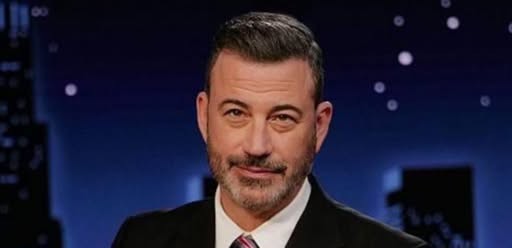
The backlash surrounding Jimmy Kimmel’s “expectant widow” joke has grown far beyond a single late-night comment. What began as a controversial punchline has evolved into a wider cultural debate about media responsibility, political influence, and the increasingly blurred line between entertainment and real-world consequences.
Criticism intensified after public figures, including former President Donald Trump and Melania Trump, called for accountability over the remark. Their response added fuel to an already heated discussion about where comedic boundaries should exist in today’s politically charged environment. The controversy became even more sensitive in the shadow of a violent incident involving an attempted attack at a high-profile event, which some commentators linked—carefully and indirectly—to the broader climate of escalating rhetoric.
Within this atmosphere, Disney and its subsidiary ABC have found themselves under renewed scrutiny. Critics both inside and outside the organization have raised concerns about the direction of modern broadcast entertainment, questioning whether the pursuit of ratings and viral moments has come at the expense of editorial responsibility and cultural sensitivity. Some argue that traditional expectations of “family-friendly” programming have gradually shifted toward edgier, more provocative content.
At the same time, there is strong resistance to the idea that political pressure should influence who is allowed on the air. Executives and media professionals within ABC have emphasized that comedy and commentary have long played a role in reflecting society’s tensions, even when those reflections are uncomfortable. From this perspective, removing or disciplining a host based on public outrage could set a precedent that undermines creative freedom and journalistic independence.
Keep reading…