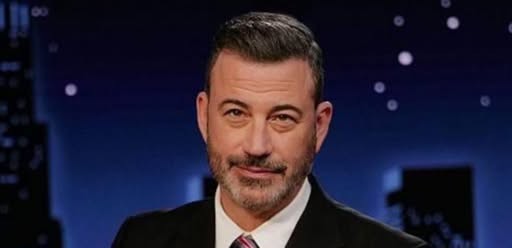
The debate has also drawn in broader questions about how entertainment companies navigate a polarized audience. On one side are those calling for greater restraint, arguing that public figures in media carry a responsibility to avoid language that could be interpreted as inflammatory, especially in moments of heightened national tension. On the other are defenders of satire, who argue that comedy has always pushed boundaries and that restricting it in response to controversy risks dulling its purpose.
As legal proceedings continue in the background involving individuals connected to the broader security incident, the entertainment industry finds itself facing a different kind of pressure test. The question is no longer just about one joke or one show—it is about the standards that guide modern media institutions in an era where every comment can become instantly amplified and politicized.
Within Disney, leadership is reportedly weighing how to balance audience expectations with long-standing brand identity. Some observers describe this as a crossroads moment: whether to lean into a more controlled, values-driven approach to programming or continue embracing the unpredictable edge that has defined much of modern late-night television.
Ultimately, the controversy reflects a larger cultural reality—one where entertainment, politics, and public sentiment are deeply intertwined, and where the impact of a single joke can extend far beyond the studio.
What do you think—should comedy adapt more to public sensitivity today, or does that risk limiting the role of satire in society?