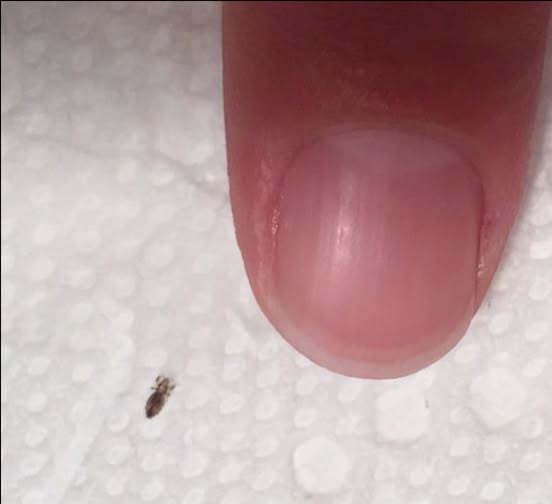
Dealing with head lice is a frustrating experience familiar to many families. While lice are not harmful or disease-carrying, discovering an infestation in a child can be stressful, uncomfortable, and time-consuming. Outbreaks are especially common among school-aged children, often rising after summer breaks, winter holidays, or other extended periods away from school, when kids are in close contact with each other.
Why Lice Are Common in Kids
Head lice most frequently affect children between ages 3 and 11. This has nothing to do with cleanliness—lice thrive equally on clean or dirty hair. Children are more susceptible because they:
- Play closely together
- Share personal space at school or activities
- Engage in head-to-head contact during play or conversation
Lice spread mainly through direct head-to-head contact, crawling from one scalp to another. Contrary to common belief, hats, hairbrushes, or headphones rarely transmit lice. Off the scalp, lice weaken quickly and typically survive no more than 1–2 days.
How Infestations Start
A lice outbreak often begins with one child scratching the scalp. If unnoticed, lice can spread to siblings, classmates, and occasionally adults. Lice feed on blood multiple times a day and lay eggs (nits) close to the scalp, which incubate in warmth.
Key points:
- Lice do not indicate poor hygiene
- Anyone with hair can get lice
- Pets do not carry human head lice
Symptoms of Head Lice
Itching may not appear immediately—first-time infestations can take 4–6 weeks to trigger an allergic response to lice saliva. Common signs include:
- Persistent scalp itching
- Tickling or crawling sensation
- Irritability, especially in children
- Trouble sleeping (lice are more active at night)
- Small red bumps on scalp, neck, or shoulders
Some individuals may show no symptoms, making visual inspection crucial.
Detecting Lice
Lice are tiny, fast-moving insects, 1–3 mm long, often gray, tan, or reddish after feeding. The most reliable detection method is wet combing:
- Wash hair with regular shampoo and apply conditioner (do not rinse out).
- Detangle with a regular comb.
- Divide hair into sections.
- Comb with a fine-toothed lice comb from scalp to ends.
- Wipe comb on white tissue to check for lice.
Live lice confirm an active infestation.
Nits (eggs) are easier to spot than live lice. They are small, oval, firmly attached near the scalp. Empty casings do not indicate an active infestation, so treatment is only needed if live lice are found.
Are Lice Dangerous?
Head lice do not transmit disease. Risks arise from excessive scratching, which can cause minor skin irritation, bacterial infections, and emotional distress. Early detection and proper treatment are important to minimize discomfort.
Treatment Options
Continue reading in the next page…