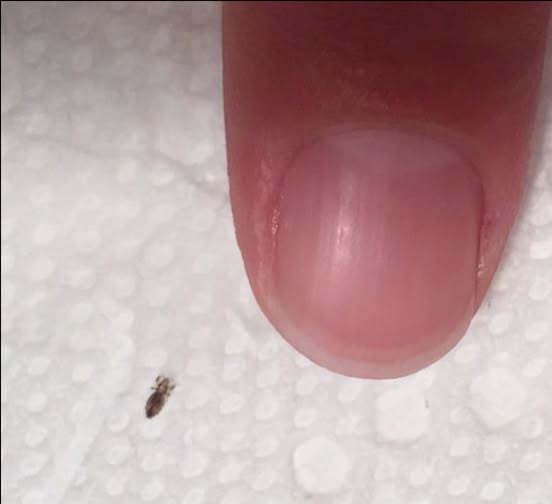
Home remedies like vinegar, essential oils, or mayonnaise lack strong scientific support. For safe, effective treatment, follow recommendations from health authorities:
1. Over-the-Counter Products
- Permethrin (1%)
- Pyrethrins with piperonyl butoxide
A second treatment 9–10 days later is usually necessary to eliminate newly hatched lice. Always follow instructions carefully.
2. Prescription Treatments
If OTC products fail, healthcare providers may recommend:
- Ivermectin lotion
- Spinosad topical suspension
- Malathion lotion
Consult a professional before using prescription treatments, especially for young children.
3. Wet Combing (Chemical-Free)
Condition hair and comb every 3–4 days for at least two weeks. This method is safe but requires patience.
Managing the Home
Lice cannot survive long off the scalp, but basic cleaning helps:
- Wash pillowcases, hats, and recently worn clothing in hot water (≥130°F / 54°C)
- Dry items on high heat
- Soak combs and brushes in hot water for 5–10 minutes
- Vacuum furniture and car seats
No fumigation sprays are needed.
Who Should Be Treated?
Only those with live lice need treatment. Check all household members and monitor close contacts for 2–3 weeks. Avoid unnecessary treatment.
Preventing Reinfestation
- Avoid head-to-head contact during play
- Tie back long hair
- Do not share hats, hair accessories, or headphones
- Conduct regular scalp checks during outbreaks
Spraying hair with mouthwash or essential oils is not reliably effective. Early detection remains the best prevention.
Reducing Stress and Stigma
Head lice can be embarrassing or stressful. Reassure children:
- Lice are common
- They are not dirty
- Many peers experience them
Schools typically do not enforce “no-nit” policies since empty nits do not mean active infestation.
When to Seek Medical Advice
- OTC treatments fail after proper use
- Signs of scalp infection appear (swelling, pus, fever)
- Child is under 2 months old
- Diagnosis is uncertain
A healthcare professional can confirm lice and recommend the appropriate treatment.
Key Takeaways
- Lice spread through direct head contact
- They are not dangerous
- Only treat when live lice are present
- Follow evidence-based treatments
- Repeat treatment if needed
- Avoid unproven remedies
With patience, consistency, and proper care, families can manage lice effectively and reduce the risk of reinfestation, turning a stressful experience into a manageable one.