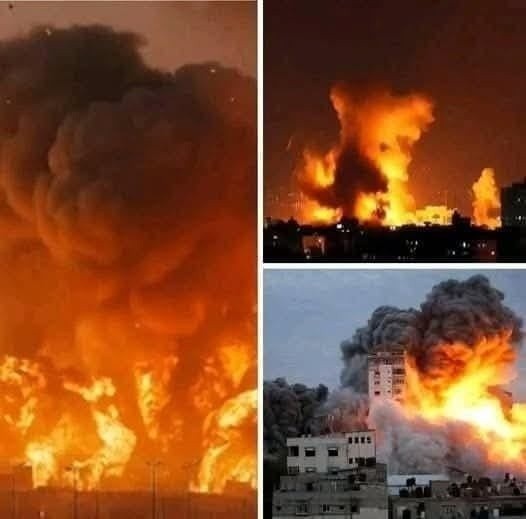
Massive Hillside Fire Leaves Hundreds of Families Facing Uncertain Future
The silence now hanging over the burned hillside district stands in stark contrast to the terrifying roar of the wildfire that swept through the community only hours earlier. What began as a small brush fire quickly escalated into a devastating disaster, leaving an estimated 300 homes damaged or destroyed and forcing hundreds of residents into sudden displacement.
Entire streets once filled with everyday life have been reduced to ash, smoke, and blackened debris. Families who only recently felt safe inside their homes are now facing the overwhelming reality of losing nearly everything in a matter of moments.
For many survivors, the road ahead is filled with uncertainty, grief, and difficult questions about how recovery will even begin.
Emergency Shelters Become Lifelines for Displaced Residents
In the immediate aftermath of the fire, schools, community centers, and emergency shelters across the region have transformed into temporary safe havens for displaced families.
Residents who fled with little more than essential belongings are now relying on emergency assistance programs for food, medical support, clothing, and temporary housing. Volunteers and first responders have worked around the clock to provide relief to those affected by the fast-moving disaster.
However, recovery experts warn that emergency aid alone will not solve the deeper challenges many survivors now face. Beyond the physical destruction, the emotional and financial toll of sudden displacement is becoming increasingly clear.
For countless families, the loss extends beyond property — it impacts their sense of security, stability, and future.
The True Recovery Effort Is Only Beginning
As firefighters continue securing affected areas, attention is shifting toward the long-term rebuilding process that could take months or even years to complete.
Community leaders stress that meaningful recovery requires more than temporary shelter or short-term assistance. Survivors will need access to long-term housing solutions, financial support, mental health resources, and infrastructure improvements to rebuild their lives successfully.
The disaster has also exposed serious vulnerabilities within the district itself, particularly in densely populated areas vulnerable to environmental risks and fast-moving fires.
Urban planning experts say the tragedy highlights the urgent need for:
- Fire-resistant construction materials
- Improved emergency access routes
- Better water infrastructure for firefighters
- Stronger safety inspections
- Expanded disaster preparedness systems
Officials are now facing growing pressure to ensure rebuilding efforts focus not only on speed, but also on long-term resilience and safety.
Fire Exposes Longstanding Community Challenges
Beyond the visible destruction, the wildfire has drawn attention to deeper social and economic issues affecting vulnerable neighborhoods.
Keep reading…