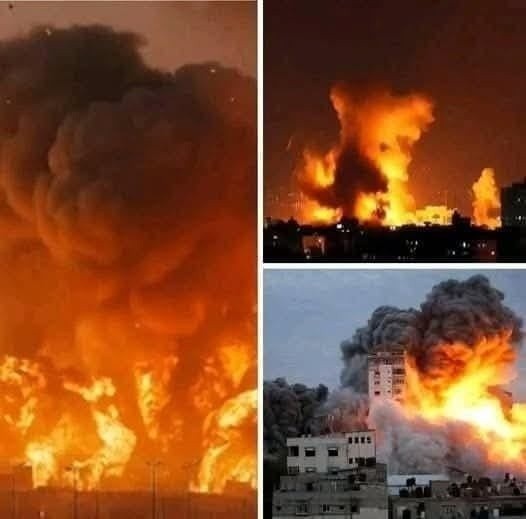
Many of the families impacted were already living under financial strain before the disaster struck. For some residents, the homes destroyed in the fire represented their primary source of stability and generational security.
Experts warn that without substantial investment and equitable recovery policies, lower-income residents could face long-term displacement during rebuilding efforts.
Advocates argue that recovery plans must prioritize protecting existing communities rather than unintentionally pushing vulnerable families out through rising rebuilding costs or redevelopment pressures.
The fire has become a stark reminder of how environmental disasters often impact underserved communities the hardest.
Community Support Offers Hope Amid Devastation
Despite the widespread destruction, powerful examples of resilience and solidarity are emerging throughout the affected district.
Local organizations, volunteers, churches, and neighborhood groups have mobilized rapidly to assist survivors with donations, food distribution, temporary supplies, and emotional support.
Neighbors who lost their own homes have still found ways to support others facing even greater hardship. Across shelters and relief centers, stories of compassion, courage, and shared survival continue to unfold.
Community leaders say this grassroots support has become one of the most important forces driving the early stages of recovery.
In moments of crisis, the strength of human connection often becomes just as critical as physical aid.
Experts Say Rebuilding Must Focus on Long-Term Safety
As discussions about reconstruction begin, urban development experts emphasize that rebuilding cannot simply restore what existed before the disaster.
Instead, they argue the tragedy should become a turning point for stronger infrastructure planning and disaster prevention strategies.
Recommendations now being discussed include:
- Expanding firebreak systems
- Improving emergency evacuation routes
- Strengthening building safety standards
- Increasing vegetation management in high-risk areas
- Enhancing emergency water access for firefighting crews
Many believe this disaster could ultimately reshape how vulnerable hillside communities are planned and protected in the future.
Financial and Emotional Recovery Could Take Years
The financial impact of rebuilding hundreds of homes is expected to be enormous. Families will likely face lengthy insurance processes, rebuilding permits, housing shortages, and ongoing emotional stress long after the headlines fade.
Mental health professionals also warn that disasters of this scale can leave lasting emotional trauma, especially for children and elderly residents suddenly uprooted from familiar environments.
At the same time, public support for recovery efforts continues growing as donations, volunteer programs, and emergency fundraising campaigns gain momentum.
Officials are now under increasing pressure to deliver a recovery strategy that is both fast and sustainable.
A Community Determined to Rebuild
While the first chapter of this tragedy was marked by destruction and heartbreak, many residents remain determined to rebuild stronger than before.
As evening falls over the scarred hillsides, the lights inside crowded emergency shelters stand as a reminder that recovery is still only beginning. Families are searching for answers, stability, and reassurance that they will not face the long rebuilding process alone.
Community advocates say resilience is powerful, but resilience alone cannot rebuild homes, restore neighborhoods, or protect communities from future disasters.
That effort will require long-term commitment, investment, and meaningful action from leaders, planners, and the public alike.
Final Thoughts
The devastating hillside fire has become more than a local emergency — it has sparked urgent conversations about disaster preparedness, infrastructure safety, housing vulnerability, and community resilience.
As recovery efforts continue, many hope this tragedy will lead to stronger protections and smarter planning for vulnerable communities facing increasing environmental risks.
For now, survivors remain focused on one goal: rebuilding not just homes, but a safer and more secure future for generations to come.
What are your thoughts on disaster preparedness and community recovery efforts? Share your perspective in the comments and join the conversation.