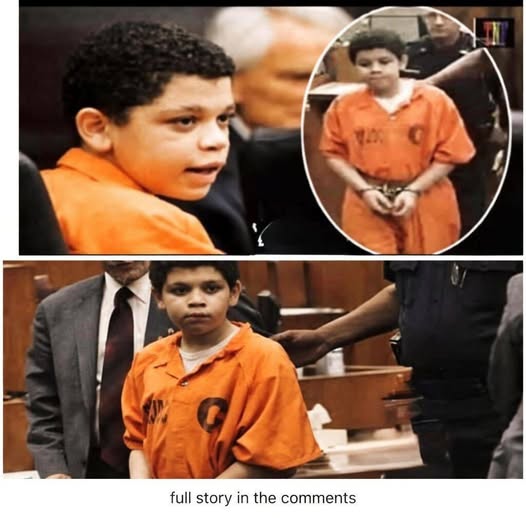
The debate over juvenile justice in the United States continues to generate intense national and international attention, particularly when it involves children sentenced to spend the rest of their lives behind bars.
According to reports highlighted by organizations such as Human Rights Watch and Equal Justice Initiative, dozens of individuals in the United States received life sentences without the possibility of parole for crimes committed before the age of 14. The issue has reignited difficult questions about punishment, rehabilitation, childhood development, and the limits of the justice system.
Supporters of sentencing reform argue that children are fundamentally different from adults in terms of emotional maturity, decision-making, impulse control, and psychological development. Neuroscientists and legal experts frequently point to research showing that adolescent brains are still developing, particularly in areas connected to judgment, risk assessment, and long-term reasoning.
Critics of harsh juvenile sentencing say those realities should matter deeply when courts determine punishment.
At the center of the controversy are cases involving extremely serious crimes, including homicide, violent robbery, and accomplice-related offenses. Some cases involved direct acts of violence, while others centered on situations where minors were present during crimes but did not personally carry out the fatal act.
Keep reading…