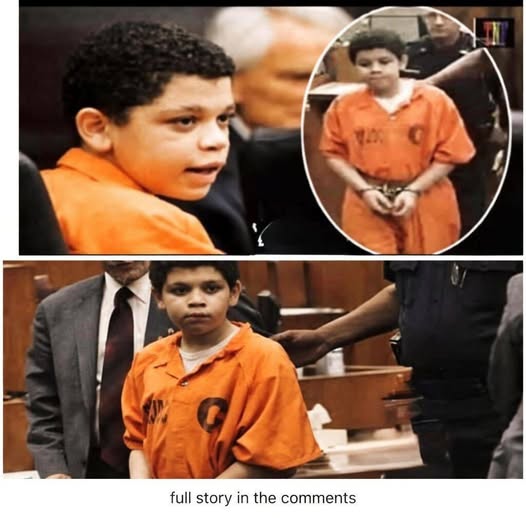
Many of the children involved reportedly came from backgrounds marked by poverty, unstable homes, neglect, domestic violence, or exposure to crime at an early age. Advocates argue these circumstances often shape behavior long before children fully understand the consequences of their actions.
One of the most widely discussed cases involved Lionel Tate, who became one of the youngest people in modern U.S. history sentenced to life imprisonment after the death of a young girl during what was described as an imitation wrestling incident. Although his sentence was later reviewed and modified, the case became a national symbol in debates about whether children should ever face adult-level punishments.
The issue has also attracted international criticism.
Human rights advocates note that many countries prohibit life-without-parole sentences for juveniles entirely, arguing that children should always have at least some opportunity for rehabilitation and eventual reintegration into society. Several major legal decisions in the United States over the past two decades have also moved toward limiting the harshest punishments for minors, particularly in cases involving mandatory sentencing.
At the same time, families of victims and supporters of stricter sentencing emphasize the devastating impact of violent crimes regardless of the offender’s age. They argue that courts must also consider accountability, public safety, and justice for those harmed by serious offenses.
The result is one of the most emotionally complex debates in the American legal system.
How should society balance accountability with the understanding that children are still developing emotionally and mentally?
Can rehabilitation remain possible after severe crimes?
And where should the line between punishment and redemption ultimately be drawn?
These questions continue shaping legal reforms, court rulings, and public conversations across the country.
As discussions around juvenile justice evolve, one thing remains clear: cases involving children and life sentences force societies to confront uncomfortable questions not only about crime, but also about childhood, trauma, responsibility, and the possibility of change.
Do you believe minors should ever receive life sentences without parole? Share your thoughts respectfully in the comments below.