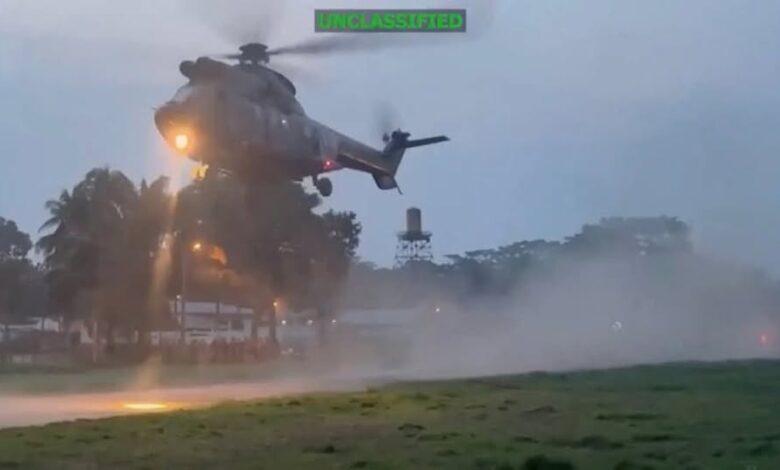
In 2026, information moves faster than verification. Social media posts purporting to show U.S. troops or aircraft may, in reality, depict routine military exercises, humanitarian missions, or embassy security rotations. Yet, in a period of strained political trust, unverified content spreads panic and influences global perception.
For Ecuadorians, the idea of foreign forces on their soil is controversial. Some, weary of cartel violence, might welcome extra protection, while others remain skeptical due to historical concerns over foreign intervention in Latin America. Meanwhile, Washington’s focus on conflicts in the Middle East and Eastern Europe raises questions about the feasibility and scale of any potential deployment in South America.
What’s at Stake
If confirmed, a U.S. operation would signal that Ecuador’s internal challenges have outpaced domestic and conventional security capabilities. It would also mark a return to interventionist U.S. policy in the region, a decision that could be analyzed and debated for decades. Until official verification emerges, the narrative underscores the power of digital speculation to shape perceived reality.
In Washington, the Pentagon remains silent. A major deployment would typically be accompanied by a press briefing or public justification, yet no statements have been released. Similarly, Quito continues its domestic crackdown with no public acknowledgment of a multinational operation.
International news outlets are exercising caution, waiting for secondary and tertiary confirmation. In an era where speed often trumps accuracy, restraint by credible media highlights the scarcity of verified information. This vacuum fuels speculation, anxiety, and market volatility.
Watching the Situation Closely
Satellite imagery and on-the-ground observation make it difficult for a large-scale operation to go unnoticed for long. If U.S. forces are active in Ecuador, undeniable evidence will eventually surface. Until then, global attention remains on key transit hubs, communication centers, and military installations in Ecuador.
The events of March 5 illustrate the need for digital literacy and critical verification. In today’s fast-moving information environment, a single unconfirmed report can trigger widespread concern. The “light of truth” is more vital than ever for separating rumor from reality.
As the story unfolds, the world watches Ecuador closely, hoping for clarity, the safety of civilians, and the preservation of regional stability.
Stay informed and share responsibly—help friends and family separate fact from rumor in today’s fast-paced news cycle!