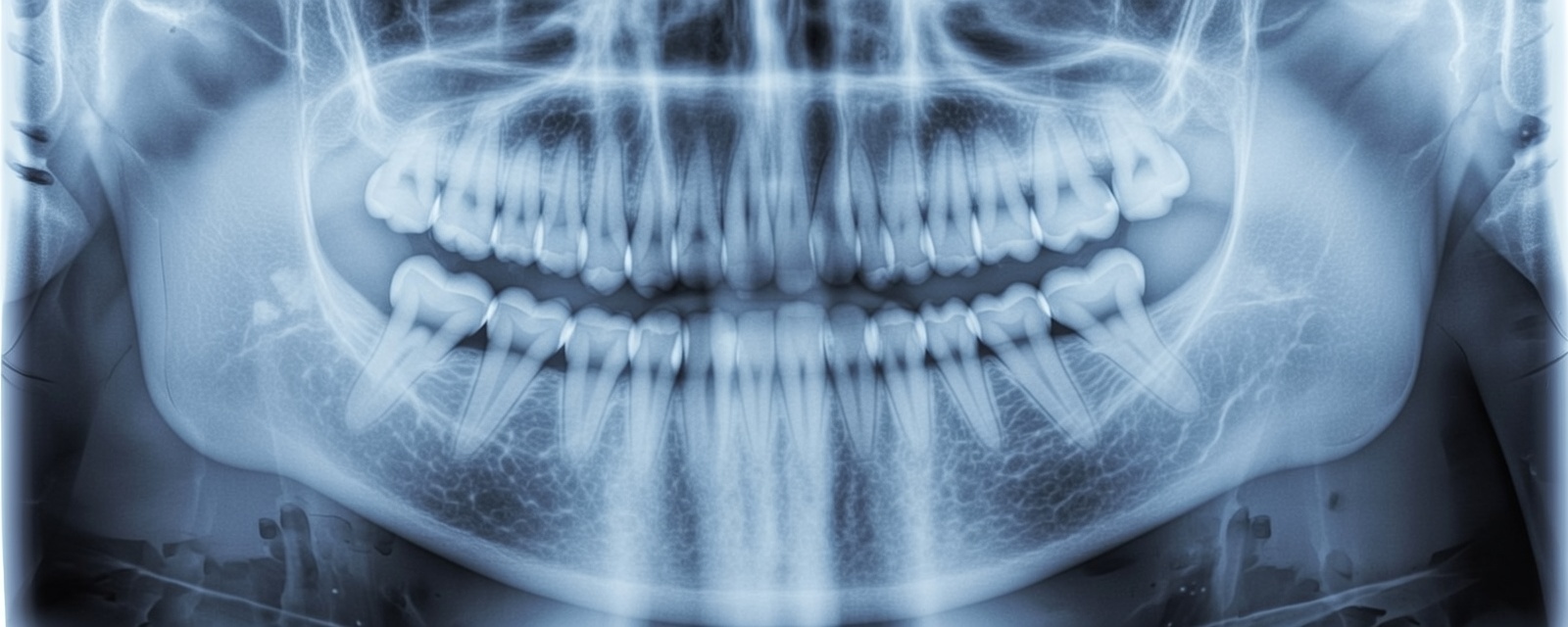
Alzheimer’s is the most common cause of dementia in the UK, according to the NHS, yet its exact origins remain a mystery. While age, genetics, untreated depression, and cardiovascular-related conditions are known risk factors, emerging research suggests a surprising culprit: infection.
Recent studies point to a potential connection between Alzheimer’s and gum disease. In 2019, researchers led by Jan Potempa, a microbiologist at the University of Louisville, discovered Porphyromonas gingivalis—the bacteria behind chronic periodontitis—in the brains of deceased Alzheimer’s patients. This pathogen, often linked to poor oral health, could play a more serious role than previously thought.
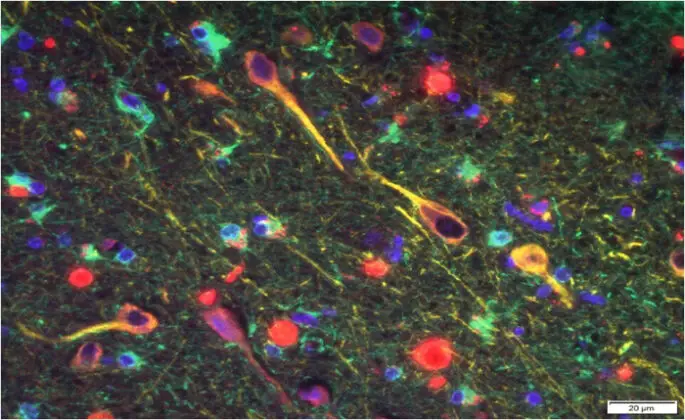
Animal studies have reinforced the findings. Experiments by Cortexyme, Inc. showed that mice infected with P. gingivalis produced more beta-amyloid, the sticky protein that forms plaques in Alzheimer’s brains. The bacteria’s toxic enzymes, called gingipains, were also linked to tau and ubiquitin—proteins already associated with neurodegeneration.
Continue reading on next page…