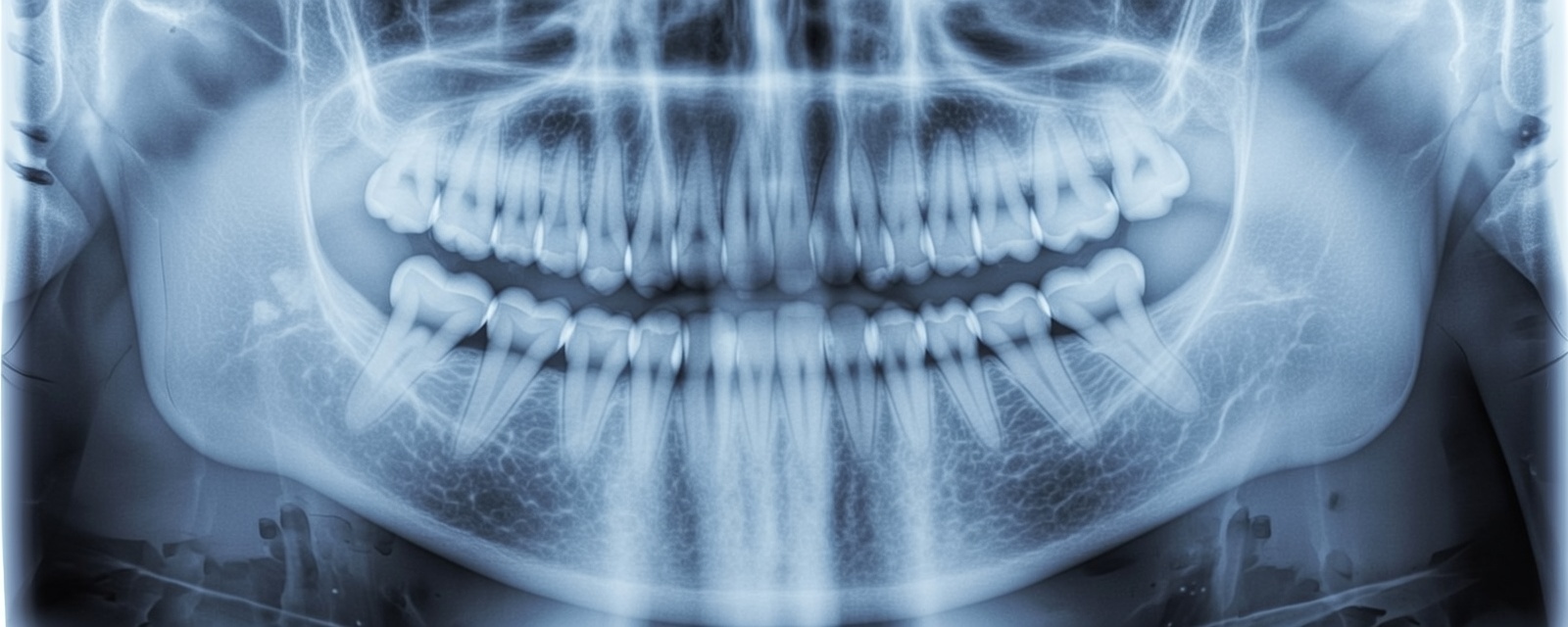
Interestingly, traces of these toxic gingipains were found in some brains of individuals who had not been diagnosed with Alzheimer’s. Researchers suggest this might indicate that infection occurs before cognitive symptoms appear, rather than being a consequence of dementia or poor oral hygiene later in life. “Brain infection with P. gingivalis may be an early event, possibly explaining Alzheimer’s pathology in middle-aged individuals before memory problems arise,” the study authors explained.
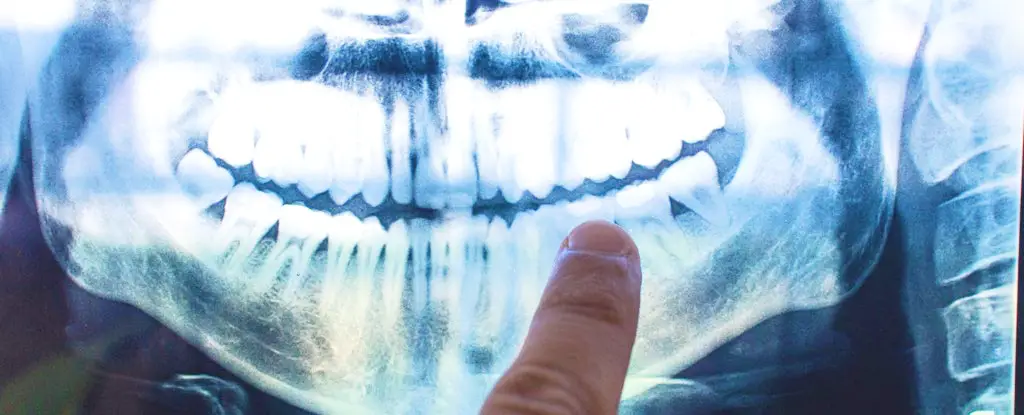
Promisingly, the mice experiments also revealed that a compound developed by Cortexyme, called COR388, reduced amyloid-beta production and neuroinflammation. While the effects in humans are still unknown, scientists are hopeful that targeting these bacterial proteins could lead to new treatment strategies—especially critical as no new dementia therapies have emerged in over 15 years.
“Drugs targeting bacterial toxins have only shown benefits in mice so far, but with the urgent need for Alzheimer’s treatments, testing every possible approach is vital,” said David Reynolds, Chief Scientific Officer at Alzheimer’s Research.
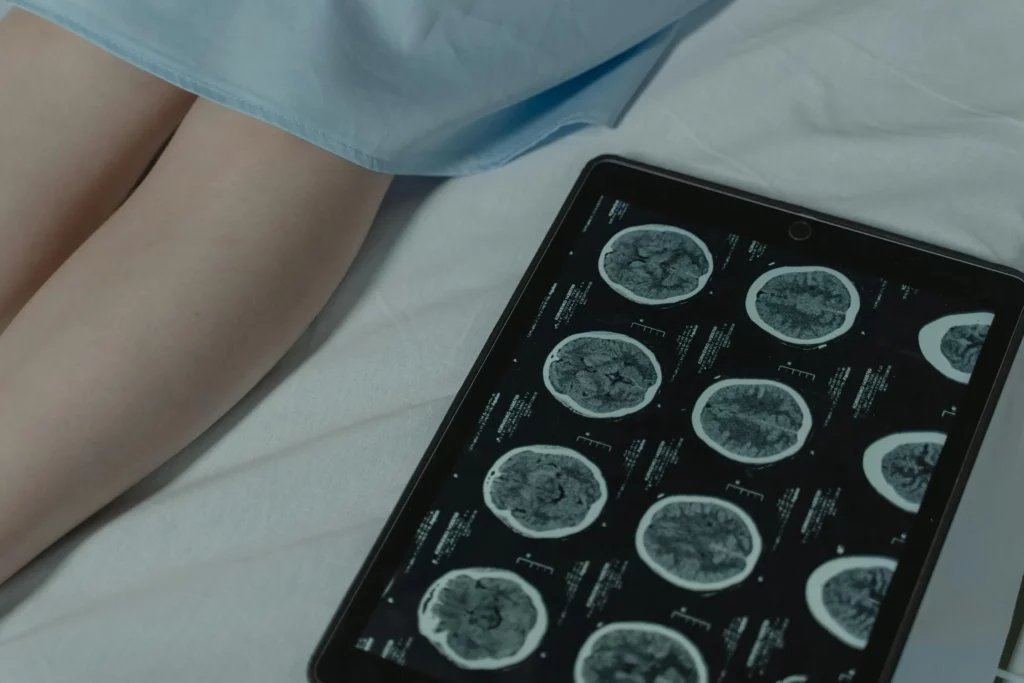
This research highlights the importance of oral health not just for your teeth, but potentially for your brain. While more studies are needed to confirm these findings in humans, the link between gum disease and Alzheimer’s could open the door to new preventative and therapeutic approaches.
Protect your smile—and your brain. Share this research with family and friends to raise awareness about Alzheimer’s and the surprising role oral health may play.