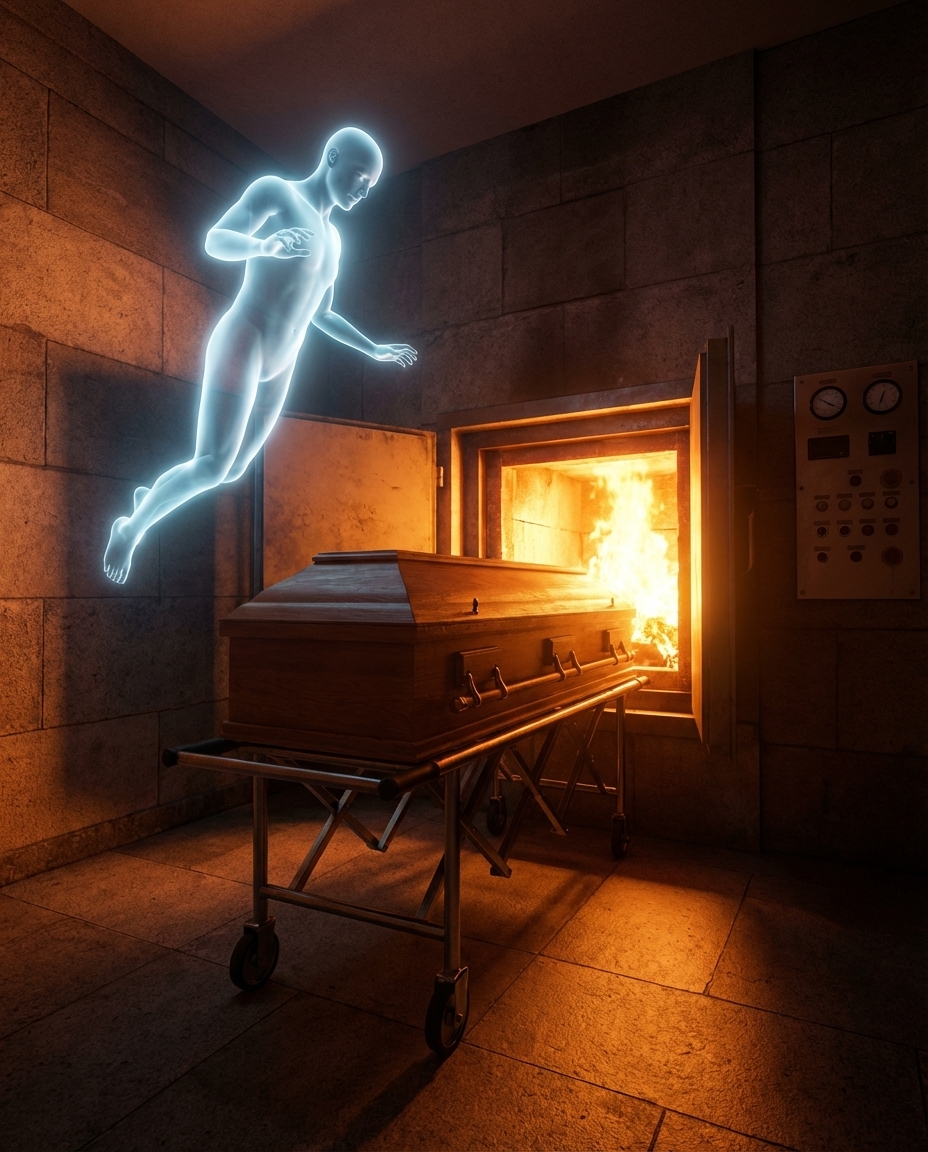
Cremation and Faith: What Happens After Life Ends?
Few subjects spark as much quiet reflection as life after death—and how we honor the body left behind. As cremation grows in popularity for practical, cultural, and personal reasons, many believers pause to ask deeper questions: Does this choice carry spiritual weight? Does it align—or clash—with faith? It’s not the act itself but the meaning behind it that draws curiosity, inviting families to explore scripture, symbolism, and hope.
The Bible doesn’t explicitly command cremation, yet burial has historically been the standard practice. From the patriarchs in the Old Testament to the burial of Jesus, laying the body in the ground has long symbolized honor, expectation, and trust in resurrection. Verses describing a return to dust reinforce this imagery, connecting the physical body with the spiritual promise of renewal. For generations, burial has served as a visible expression of faith that life continues beyond death.
At the same time, Scripture emphasizes a timeless truth: God’s power isn’t bound by earthly methods. History shows countless faithful people whose bodies were lost to fire, sea, or disaster—but their hope in eternal life remained unshaken. From this perspective, the focus shifts from the method of disposal to the faith and intention behind it. Whether through earth or flame, believers trust in a Creator who can restore life beyond the physical.
Cremation or burial—which truly honors the body—and does it matter for the soul?