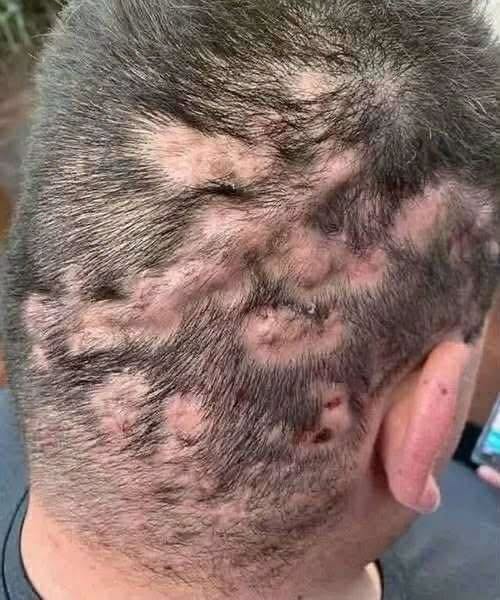
- Thyroid or other hormonal disorders
- Certain medications, including some corticosteroids and hormone treatments
- Rarely, underlying medical conditions that require prompt evaluation
Because several different conditions can contribute to these skin changes, a medical assessment is important to determine the underlying cause.
Why Early Evaluation Matters
In some people, acanthosis nigricans may appear before other signs of insulin resistance or type 2 diabetes become noticeable. Identifying the condition early gives healthcare providers an opportunity to evaluate overall metabolic health and recommend appropriate lifestyle changes or treatment if needed.
For children and adolescents, especially those with risk factors such as obesity or a family history of diabetes, these skin changes may also warrant further medical evaluation.
How Is It Diagnosed?
Healthcare professionals can often recognize acanthosis nigricans during a physical examination. Depending on your medical history and symptoms, they may recommend additional tests, including:
- Blood glucose testing
- Hemoglobin A1c (HbA1c)
- Fasting insulin levels
- Other laboratory tests to evaluate hormonal or metabolic health
These tests help identify any underlying conditions that may require treatment.
Can It Be Treated?
Treatment focuses on addressing the underlying cause rather than the skin itself.
Depending on the diagnosis, management may include:
- Maintaining a balanced, nutritious diet
- Engaging in regular physical activity
- Achieving and maintaining a healthy weight
- Managing blood sugar levels if insulin resistance or diabetes is present
- Adjusting medications when appropriate under medical supervision
As the underlying condition improves, the appearance of the affected skin may gradually fade, although this can vary from person to person.
When Should You See a Doctor?
It’s a good idea to speak with a healthcare provider if you notice dark, velvety skin patches that:
- Appear suddenly
- Spread quickly
- Become thicker over time
- Occur alongside symptoms such as increased thirst, frequent urination, unexplained fatigue, or unexpected weight changes
A medical evaluation can help determine whether the skin changes are related to a treatable health condition.
The Bottom Line
Dark patches of skin are not always caused by poor hygiene. In some cases, they may be a sign of acanthosis nigricans, which can be associated with underlying metabolic or hormonal conditions.
While the condition itself is usually not dangerous, recognizing it early and seeking medical advice can help identify potential health concerns before they become more serious. If you notice persistent skin changes, consult a qualified healthcare professional for an accurate diagnosis and personalized treatment recommendations.
Disclaimer: This article is intended for informational purposes only and should not be considered medical advice. Always consult a licensed healthcare provider regarding any medical concerns or changes in your health.