A Brief Historical Perspective
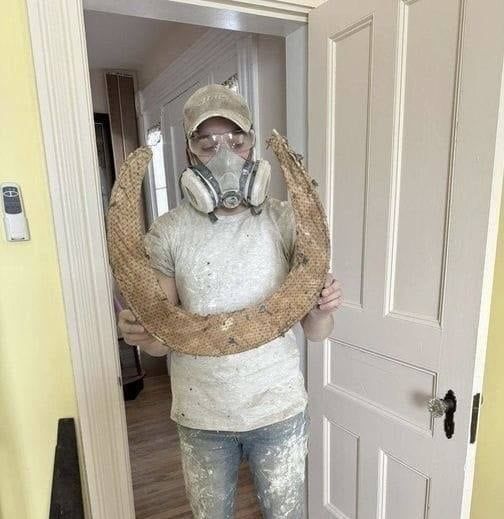
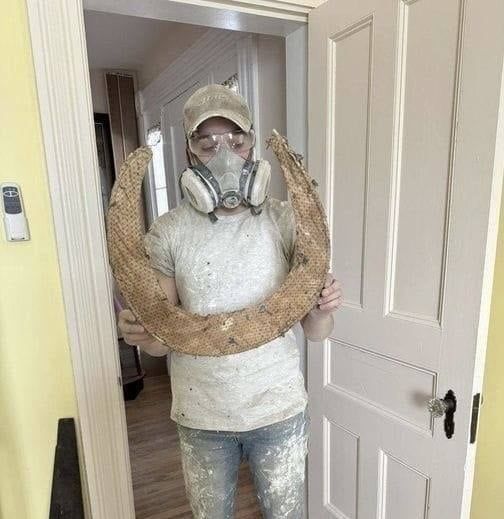
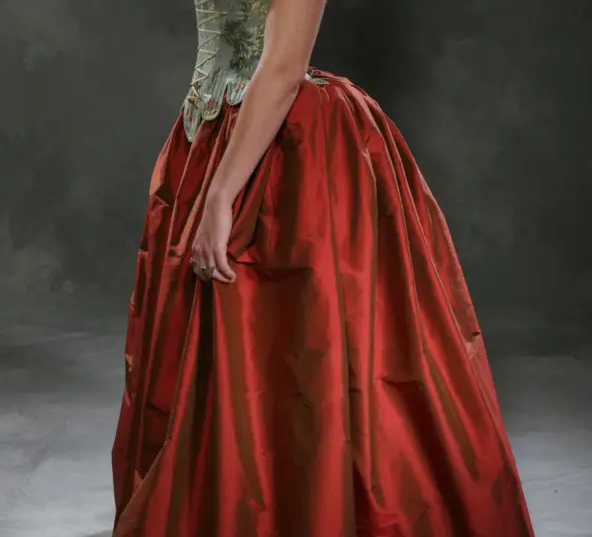
The bum roll emerged in Europe during the Renaissance, particularly in the 1500s, as a padded crescent tied around the waist. Placed at the hips, it created wide, bell-shaped skirts, signaling wealth and social status. Unlike corsets, it did not compress the body but rather reshaped clothing, acting as a removable accessory.
Over time, the bum roll faded from fashion, replaced by bustles, panniers, and crinolines. By the modern era, it had largely vanished from everyday attire, surviving mainly in costume and theatrical use.
Contemporary Revival and Visibility
The modern bum roll is part of a broader trend embracing bold, sculptural silhouettes. Designers are experimenting with volume, padding, and unusual proportions—oversized shoulders, ballooned sleeves, structured hips—all reflecting a willingness to push boundaries.
Unlike historical versions, today’s padded hips are meant to be seen. Transparent fabrics, tailored designs, and even detachable elements emphasize the structure, transforming it from hidden support to a visual centerpiece. This approach allows experimentation with body shape without permanent alteration, turning padding into a playful tool for self-expression.
Debate and Interpretation
As with any dramatic trend, the modern bum roll has sparked conversation. Some critics argue it is excessive or impractical, while others celebrate it as empowering and imaginative. By making padding obvious, designers challenge the illusion of “natural” curves, reclaiming control for the wearer and turning clothing into a form of performance and commentary.
Gender and Power in Fashion
Exaggerated hip silhouettes are no longer exclusive to women’s wear. Designers are incorporating padded hips into menswear and gender-neutral collections, questioning who is entitled to occupy space. Volume, in fashion, signals presence; wide hips, shoulders, or full skirts demand attention. The bum roll becomes symbolic, a conversation about confidence, self-definition, and visibility.
From Couture to Everyday Wear
While rooted in high fashion, the trend is extending into streetwear and ready-to-wear clothing. Subtle padding offers gentle shaping, while more extreme versions create sculptural forms. Modern materials like foam, neoprene, mesh, and recycled textiles give the silhouette a contemporary twist, bridging historical influence with innovation and sustainability.
Fashion as Artistic Expression
The bum roll highlights a core idea: the body is a canvas. Padding and structure allow temporary reshaping, transforming proportions and offering new avenues for creativity. Exaggerated silhouettes celebrate artifice and transformation rather than conformity, enabling wearers to control how their shape communicates identity, style, and intention.
Dialogue Between Past and Present
The revival of the bum roll shows that history never disappears—it evolves. Designers reinterpret historical garments to explore contemporary ideas, turning what was once hidden into a visible, meaningful element of modern fashion. By revisiting past forms, they ask which aspects merit preservation, adaptation, or reinvention.
Conclusion
The bum roll’s comeback is more than a passing trend. It merges historical inspiration with modern sensibilities, challenges norms, and encourages reflection on beauty, gender, and power. From high-concept runway pieces to wearable fashion, padded hips now offer a medium for experimentation, visibility, and self-expression.
Far from being a relic, the bum roll has returned as a confident, deliberate statement, reminding us that innovation often begins with remembering—and reshaping—the past.