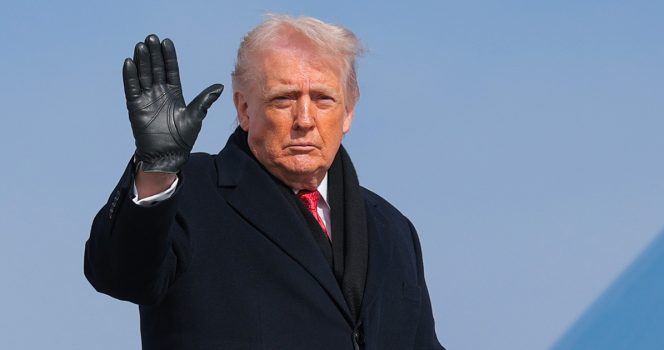
Bustamante argues that Trump’s push isn’t purely about minerals, either—it’s a mix of strategic positioning, economic leverage, and influence in a rapidly changing Arctic.
The Quiet Strategy
Rather than overt military action, Bustamante predicts the U.S. may pursue subtler moves, potentially sidelining Denmark while securing Greenlandic cooperation:
“The U.S. could gain access to key parts of Greenland without breaking NATO commitments. Denmark may not like it, but Greenlanders might. It’s unpredictable, but the story won’t just disappear.”
Why Greenland Matters
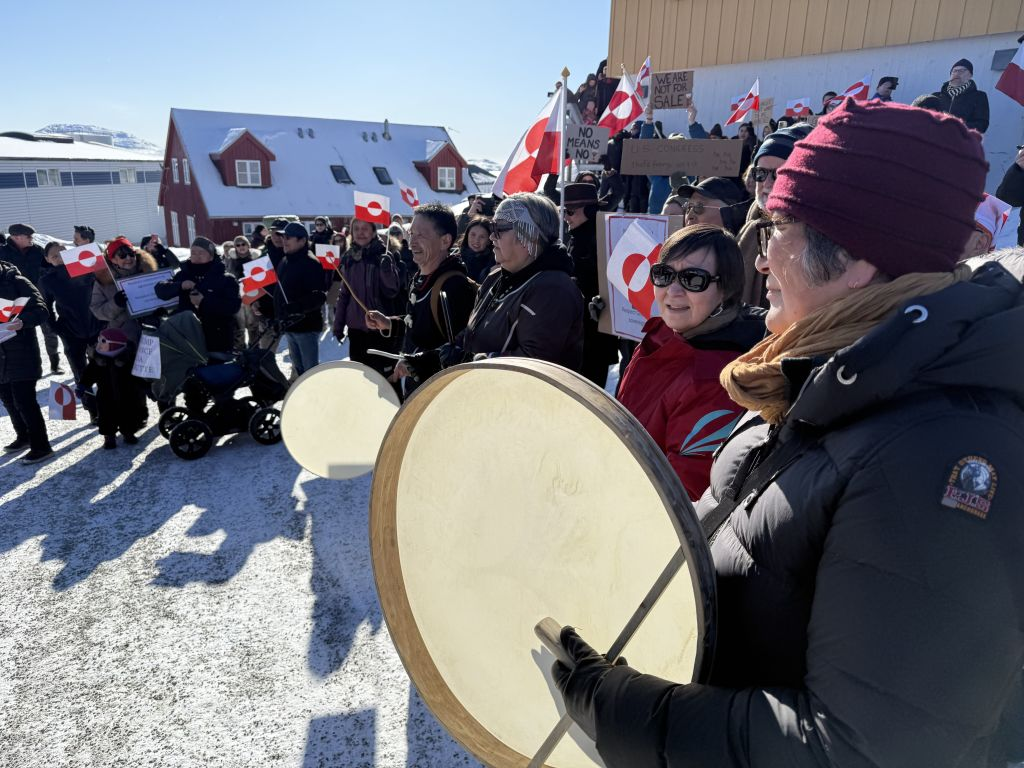
Strategically, Greenland sits between North America and the Arctic, making it perfect for missile detection and maritime surveillance. Beneath the ice lie huge reserves of uranium, iron, rare earth minerals, and possibly oil and gas—resources that could shape global power for decades.
Even so, Trump maintains that the interest is about “national security,” not minerals. Recent visits by political figures like JD Vance to U.S. military bases in Greenland have only fueled speculation about long-term plans.
The Media Angle
Bustamante notes that Trump understands the media cycle and how to leverage it:
“He can continue to assert power through strategic ambiguity, making people wonder whether they should bow to his Greenland demands. Headlines may fade, but the stakes are real.”
The Greenland saga may seem bizarre, but it highlights a larger story about resources, strategy, and influence in the Arctic—a story far from over.
What do you think—could the U.S. actually gain control of Greenland, or is this all media hype? Share your thoughts in the comments below!