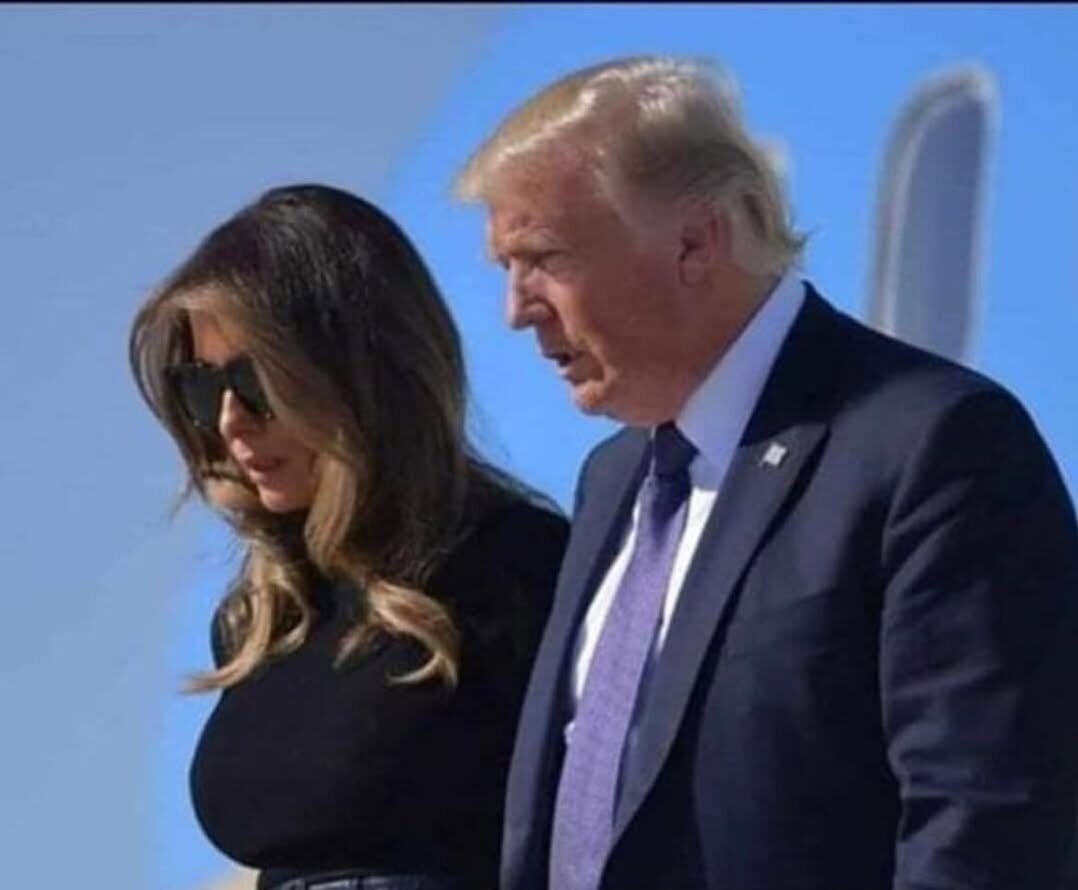
President Trump’s Health Sparks National Debate as Experts Raise Alarming Concerns
In 2026, the physical and cognitive fitness of President Donald Trump has become a central topic of public debate, casting a shadow over his second term. Approaching his 80th birthday, the President’s health is under intense scrutiny, with observers weighing visible physical symptoms, unusual behavior in public appearances, and the potential impact on national and global stability.
The conversation escalated in February when licensed physical therapist Adam James published a detailed assessment suggesting that the President may be showing early signs of Frontotemporal Dementia (FTD). Citing unusual gait patterns, frequent verbal lapses, and occasional confusion on basic geography—such as repeatedly mixing up Iceland and Greenland—James warned that the President could have only two to four years left, raising the unsettling possibility of a sitting Commander-in-Chief facing life-threatening illness mid-term.
Observers note several physical markers that raise concern. Videos of Trump show a swinging leg motion, balance challenges, and fatigue during long meetings. While the White House cites “perfect” results from recent cognitive and physical exams, medical transparency remains limited. Reports confirm the President has chronic venous insufficiency, a circulatory issue causing leg swelling, which adds to the visual cues fueling public speculation.
Family members have also voiced alarm. Mary Trump, the President’s niece and a trained psychologist, has repeatedly suggested that his erratic speech, memory lapses, and occasional disorientation may indicate cognitive decline rather than mere personality quirks. These warnings gain particular weight in a political climate charged with domestic unrest, global tensions, and controversial foreign policy statements. Critics argue that even small lapses in judgment could carry outsized consequences in an administration already navigating volatile geopolitical waters.
Footage of the President appearing drowsy during meetings or struggling to stay alert has gone viral, intensifying calls for an independent health review. Analysts like Dr. Jonathan Reiner, former cardiologist to Vice President Dick Cheney, stress that physical and neurological markers—ranging from bruising on hands to shifts in tone and energy—require careful monitoring to prevent risks to national security.
Constitutionally, the U.S. is prepared for any eventuality. Should the President be unable to serve due to illness or passing, Vice President JD Vance would immediately assume office, ensuring continuity of leadership. Yet the discussion continues, not just about succession but about public confidence, leadership stability, and the balance between political messaging and medical reality.
Ultimately, Trump’s health in 2026 sits at the intersection of medicine, politics, and public perception. Observers must weigh official White House assurances against visible signs of aging and cognitive shifts. With midterms looming and global tensions high, every gesture, speech, and public appearance is now read through the lens of presidential wellness. The stakes extend far beyond politics—they touch the very fabric of national and international stability.
Stay informed on presidential health updates and share your thoughts on the implications for leadership and governance. Join the conversation today.