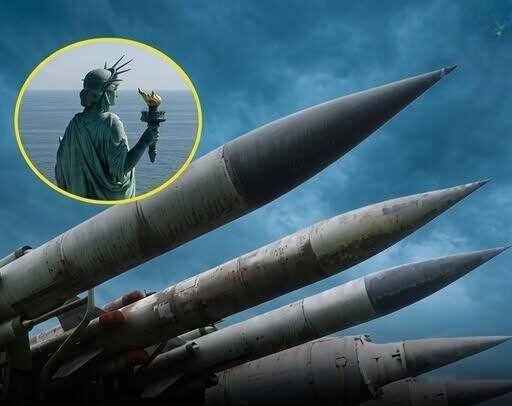
Growing Global Tensions: Why Experts Are Discussing Potential Nuclear Targets
Fear of large-scale war rarely arrives all at once. Instead, it often builds gradually—through news alerts, political disputes, and rising tensions between global powers. Over time, these signals can create a quiet but persistent concern that the international balance is becoming more fragile.
In recent years, that unease has grown. Shifting alliances, sharper diplomatic rhetoric, and ongoing geopolitical rivalries have led many observers to question how stable the global system truly is.
A Changing Political Landscape
Part of the messaging surrounding the return of Donald Trump to the White House emphasized keeping American troops out of extended overseas conflicts. For many Americans, that promise resonated after decades of military involvement abroad.
At the same time, analysts have noted strong rhetoric toward countries such as Iran and Venezuela, as well as renewed debate about acquiring Greenland. These developments have sparked discussion among foreign-policy experts about how international tensions could evolve in the coming years.
While none of these issues point directly toward global conflict, they contribute to a broader atmosphere of uncertainty.
The Question Many People Are Asking
As tensions rise, conversations have begun shifting from general worries about war to more specific questions: What would a modern global conflict look like?
Unlike past wars, a large-scale conflict today—especially one involving nuclear weapons—would carry consequences far beyond national borders. Such a scenario could disrupt global infrastructure, economies, and ecosystems on an unprecedented scale.
Continue reading the list of the cities in the next page…