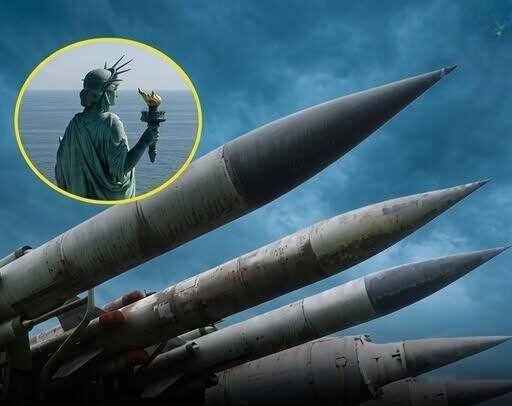
Experts emphasize that deterrence, diplomatic agreements, and international cooperation remain powerful safeguards. Still, history shows that conflicts sometimes emerge from miscalculations, miscommunication, or moments when restraint fails.
Strategic Targets in Modern Warfare
Nuclear historian Alex Wellerstein of the Stevens Institute of Technology has explained that in a theoretical nuclear conflict, targets would likely be selected based on military strategy rather than visibility or population size.
In other words, the initial goal would often be to limit an opponent’s ability to respond.
That means installations connected to nuclear command systems, missile silos, or strategic military bases could become primary targets.
Smaller Cities With Strategic Importance
Some locations often discussed in strategic analyses are relatively small cities that sit near critical military infrastructure.
For example:
- Great Falls, near Malmstrom Air Force Base, which oversees numerous missile silos.
- Cheyenne, located near Francis E. Warren Air Force Base, another key nuclear command site.
- Ogden and Clearfield, both close to Hill Air Force Base in Utah.
Although these communities are not large population centers, their proximity to military facilities increases their strategic relevance.
Other Key Military Locations
Several additional cities are frequently mentioned in discussions about U.S. defense infrastructure:
- Shreveport near Barksdale Air Force Base, home to B-52 bombers.
- Honolulu in Hawaii, due to its naval and air-force presence tied to the historic Attack on Pearl Harbor legacy.
- Omaha near Offutt Air Force Base, a major command hub.
- Colorado Springs, home to NORAD, responsible for monitoring North American airspace.
- Albuquerque near Kirtland Air Force Base, which supports nuclear weapons infrastructure.
Major Cities and Economic Impact
Large metropolitan areas could also appear in strategic scenarios—not only because of their size, but due to their economic and cultural importance.
Cities such as Washington, D.C., Seattle, New York City, Los Angeles, Chicago, Houston, and San Francisco are often discussed because of their influence on government, finance, infrastructure, and global trade.
Any disruption in such locations would ripple far beyond local borders.
Why These Discussions Matter
Experts stress that examining these scenarios does not mean conflict is likely or inevitable. Instead, these analyses help policymakers understand risks and reinforce systems designed to prevent escalation.
Modern security strategies rely heavily on deterrence—the idea that the devastating consequences of nuclear war discourage nations from ever starting one.
Still, public concern often stems from the human element. History shows that wars can begin through misunderstandings, political pressure, or poor judgment.
The Importance of Diplomacy
Ultimately, maintaining peace requires ongoing effort. International dialogue, cooperation, and careful decision-making remain essential tools for preventing conflict.
The cities mentioned in strategic discussions are not just dots on a map—they are communities filled with families, schools, and everyday life. Recognizing that reality reinforces why diplomacy and restraint remain so important.
In a world with powerful technologies and complex alliances, peace isn’t automatic. It’s something leaders and societies must actively protect.
What are your thoughts on global stability and diplomacy today? Share your perspective in the comments and join the conversation about how nations can work together to maintain peace.