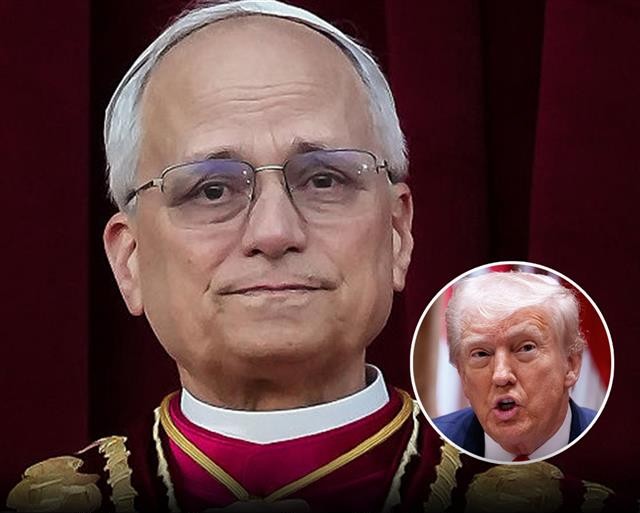
Rather than prioritizing high-profile appearances in major Western capitals, the pope has repeatedly focused attention on communities facing hardship—visiting refugee centers, humanitarian regions, and areas affected by instability. Those appearances have been widely interpreted as symbolic, emphasizing compassion and human dignity over political alliances or national interests.
The contrast has not gone unnoticed.
Observers across both political and religious circles say the situation reflects a broader tension increasingly visible around the world: the balance between moral influence and state power. While neither side has publicly escalated the situation into open confrontation, the growing distance between their priorities has become difficult to ignore.
Diplomatic experts note that the Vatican traditionally works carefully to maintain independence from partisan politics, particularly during periods of intense global division. Avoiding overly political optics allows the papacy to preserve its role as a broader moral and spiritual voice rather than becoming entangled in domestic political battles.
For supporters of Pope Leo XIV, his approach represents consistency with long-standing humanitarian teachings centered on compassion, peace, and support for vulnerable communities. Critics, however, argue that some of his positions indirectly place him at odds with tougher government policies related to immigration, security, and international strategy.
Still, no official statement has suggested any direct conflict between the Vatican and Washington.
What exists instead is something quieter—but equally powerful: symbolism.
Every international appearance, every speech focused on mercy and diplomacy, and every delayed announcement about a potential U.S. visit continues to generate headlines and debate worldwide. In an era where every public move is analyzed instantly, silence itself has become part of the story.
For now, the possibility of a future American visit remains uncertain. Whether the current distance reflects careful diplomacy, scheduling priorities, or deeper ideological differences, the conversation surrounding Pope Leo XIV continues to grow.
One thing is clear: the world is paying close attention to how faith, politics, and global influence intersect during one of the most closely watched papacies in modern history.
What do you think—should spiritual leaders remain completely separate from politics, or is speaking on global issues part of their responsibility? Share your thoughts in the comments below.