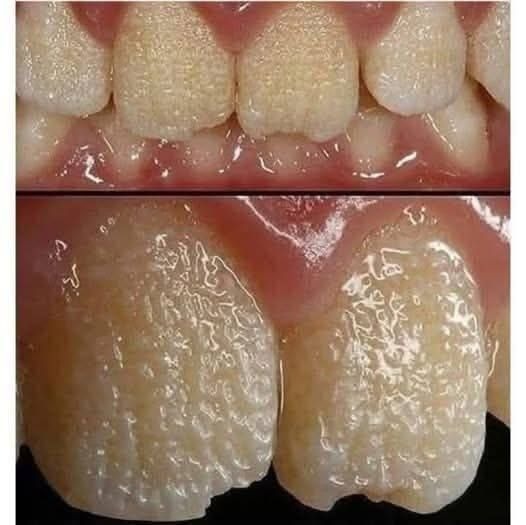
Ever glance in the mirror and notice your teeth look more yellow than usual, feel extra sensitive, or chip more easily than they should? Coffee stains and brushing habits can explain some changes—but in rare cases, the cause starts much earlier, during tooth development itself.
One possible reason is Amelogenesis Imperfecta (AI), a hereditary condition that affects how enamel forms. Enamel is the tough outer layer that shields your teeth from daily wear. When it doesn’t develop correctly, teeth may look discolored, appear smaller than average, feel rough or pitted, and wear down faster than expected.
Enamel is the hardest material in the human body, built by specialized cells early in life. With AI, genetic changes disrupt that process. The result can be enamel that’s too thin, too soft, or poorly mineralized. Because enamel protects the sensitive dentin underneath, people with AI often deal with sharp discomfort when eating or drinking hot, cold, or sweet foods. Both baby teeth and adult teeth can be affected, and whitening products won’t fix the underlying issue.
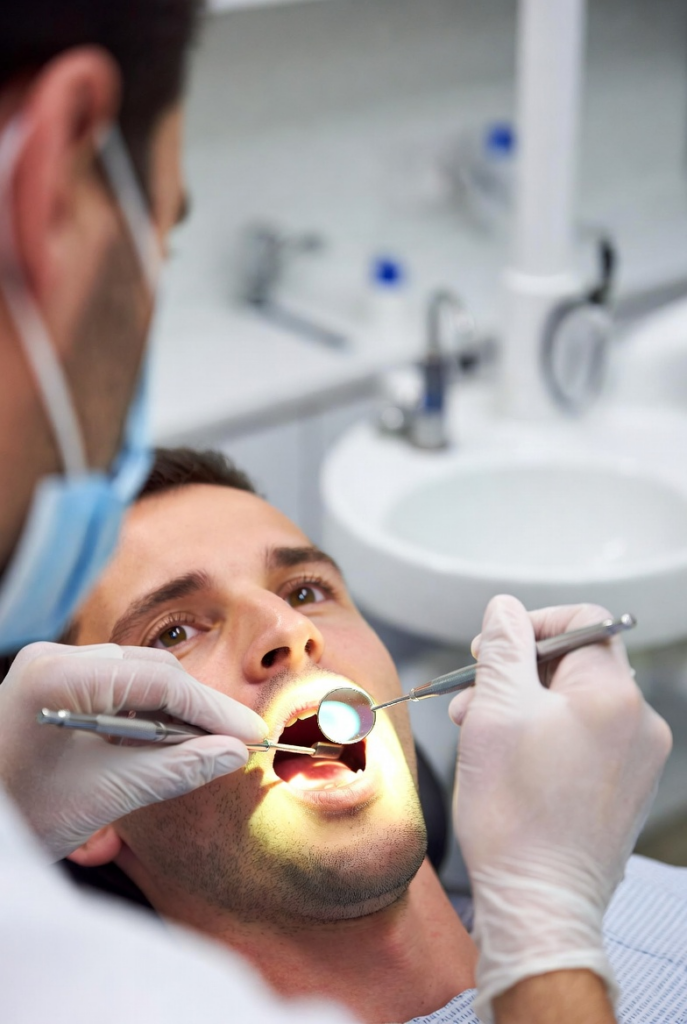
The impact isn’t just physical. Visible enamel differences can hurt confidence, especially for kids and teens. Ongoing sensitivity can also change eating habits and make daily routines less comfortable. Over time, untreated enamel weakness can lead to faster wear, chipping, and higher risk of cavities.
Continue reading on next page…