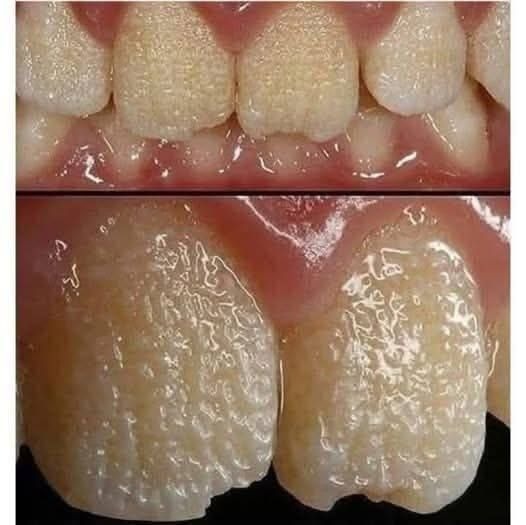
There are a few main patterns dentists look for. In hypoplastic forms, enamel is thin but fairly hard. In hypomaturation types, enamel forms at normal thickness but stays softer. In hypocalcified cases, enamel is fragile and wears away quickly. AI often runs in families, so a history of similar tooth issues can be a clue.
Diagnosis usually includes a detailed dental exam, X-rays, and sometimes genetic testing. Catching it early matters—protective care can slow damage before teeth wear down significantly.
Treatment focuses on protection and comfort. Depending on severity, dentists may recommend bonding, crowns, veneers, fluoride treatments, and desensitizing products. With modern care and early support, people with AI can keep their teeth functional and feel confident about their smiles.
Curious about what your teeth might be telling you? Share this with someone who struggles with sensitivity or chipping—and if you’ve noticed changes, a dental checkup can bring real peace of mind. 🦷