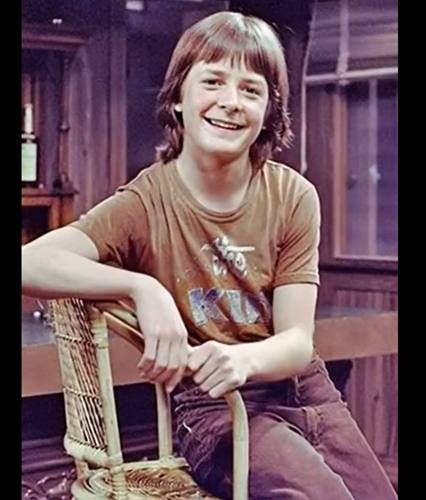
His breakthrough came in 1982 when he was cast as Alex P. Keaton on the NBC sitcom Family Ties. The role — a sharp, ambitious teenager with views that contrasted with his parents — quickly made Fox a standout. His performance earned critical acclaim and multiple Emmy and Golden Globe Awards, turning him into an international television star.
Global Fame Through Film
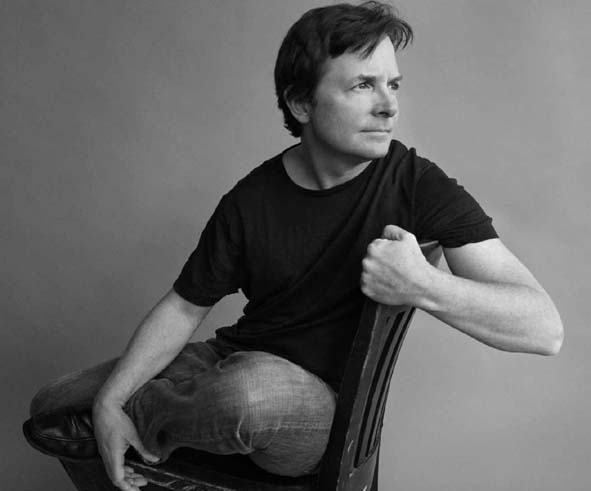
While Family Ties established Fox on television, it was the 1985 film Back to the Future that cemented his place in popular culture. Portraying Marty McFly, a teenager who travels through time in a DeLorean, Fox delivered a performance filled with energy, humor, and heart. The film became a cultural phenomenon and launched a successful franchise.
During this period, Fox balanced an intense schedule, often filming Family Ties during the day and Back to the Future at night. His dedication paid off as he went on to star in a series of successful films, including Teen Wolf, The Secret of My Success, Casualties of War, and the Back to the Future sequels. By his late twenties, he was one of the most recognizable actors in the world.
A Life-Changing Diagnosis
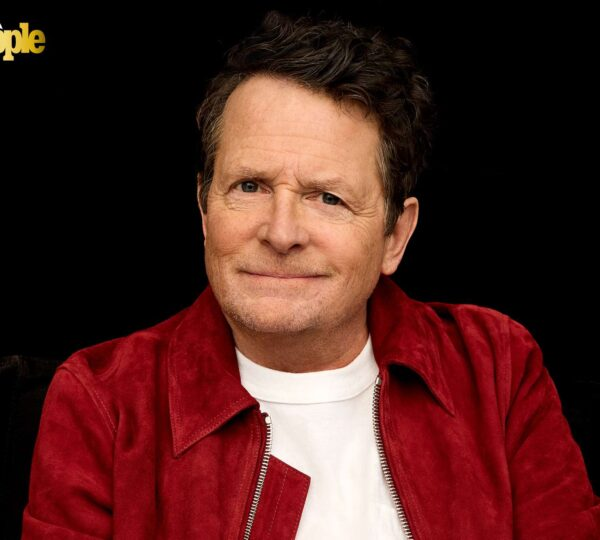
In 1991, Fox noticed subtle physical changes while filming Doc Hollywood. After medical evaluation, he was diagnosed with early-onset Parkinson’s disease, a progressive neurological condition that affects movement and coordination. He was just 29 years old.
For several years, Fox kept the diagnosis private, continuing to act and later starring in the sitcom Spin City, where he again received critical praise and awards. Behind the scenes, however, he was coming to terms with a condition that would gradually affect his ability to perform.
Choosing Advocacy Over Silence
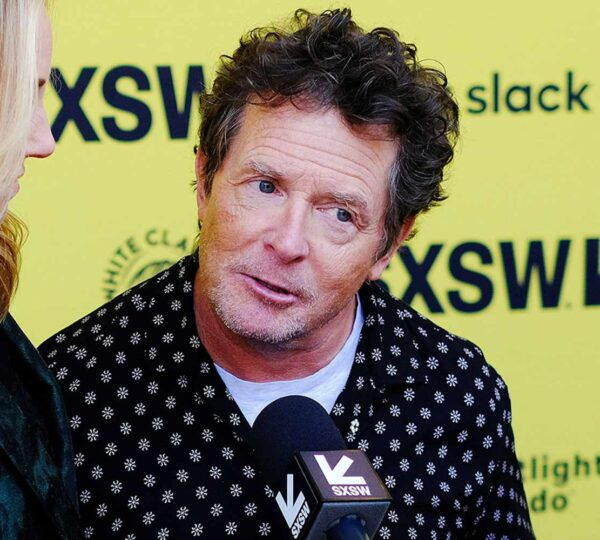
In 1998, Fox publicly disclosed his diagnosis, a decision that helped bring widespread attention to Parkinson’s disease. The response was overwhelmingly supportive and marked a turning point in his life. Rather than stepping away from public life, Fox chose to use his platform to raise awareness and advance research.
In 2000, he founded The Michael J. Fox Foundation for Parkinson’s Research. Today, it is one of the world’s leading nonprofit organizations dedicated to Parkinson’s research, funding studies focused on treatment development, disease understanding, and early detection. While a cure has not yet been found, the foundation has played a major role in accelerating scientific progress.
Continuing Work and Personal Life
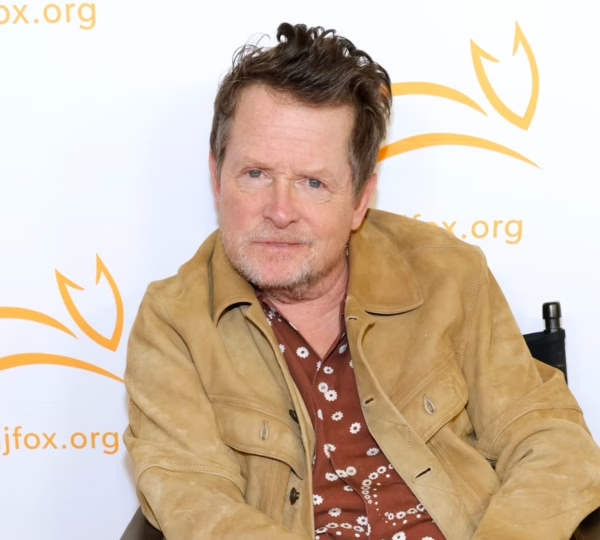
Despite the progression of his condition, Fox continued acting for many years, appearing in television series such as Rescue Me, The Good Wife, Curb Your Enthusiasm, and The Good Fight, as well as voicing characters in animated films like Stuart Little. In 2020, he announced his retirement from full-time acting due to increasing physical challenges, though he has made occasional appearances since.
Fox’s family has been central to his journey. He married actress Tracy Pollan in 1988, and together they have four children. He has often credited his wife and family as his greatest source of strength and stability.
Writing, Reflection, and Recognition
Fox has authored several memoirs that chronicle his life, career, and evolving perspective on living with Parkinson’s disease. His books are known for their honesty, humor, and thoughtful reflection on resilience and purpose.
Over the years, he has received numerous honors for both his acting and humanitarian work, including multiple Emmys, Golden Globes, inductions into the Hollywood and Canada Walks of Fame, and national honors in Canada. In 2022, he received the Jean Hersholt Humanitarian Award from the Academy of Motion Picture Arts and Sciences in recognition of his advocacy efforts.
A Legacy Beyond Entertainment
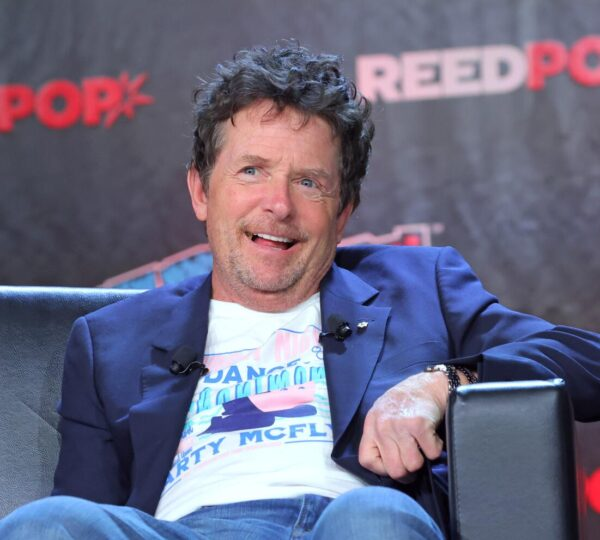
Living with Parkinson’s for more than three decades has presented ongoing challenges, but Fox continues to approach life with openness and determination. He has spoken candidly about the realities of the condition while emphasizing gratitude, connection, and meaning.
Michael J. Fox’s story is not only about fame or illness — it is about transformation. From a young actor chasing opportunity to a global advocate driving change, he has shown that a life can evolve in unexpected ways and still be deeply impactful.
His legacy stands as a reminder that adversity does not erase purpose, and that compassion, humor, and perseverance can inspire millions.