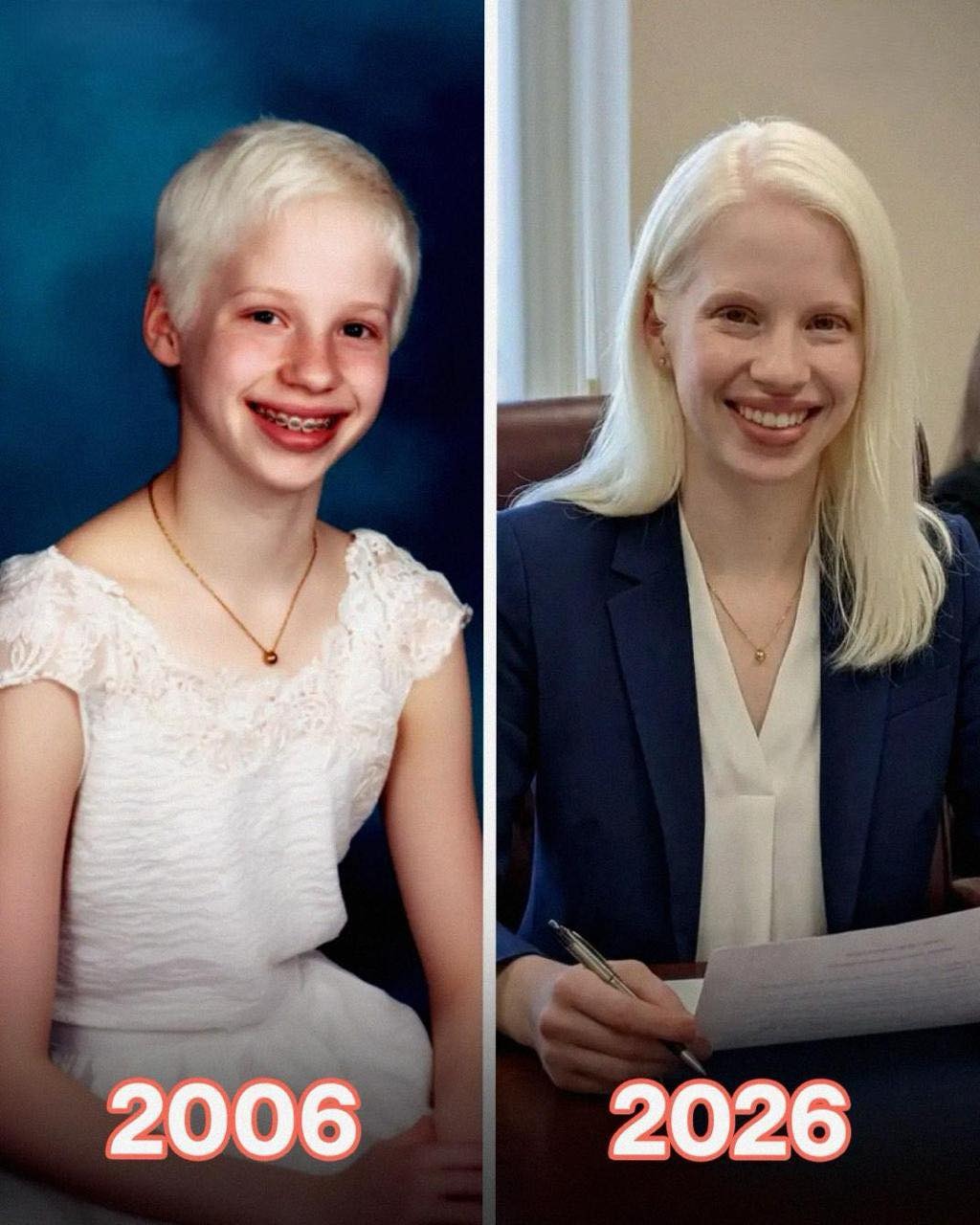
There are moments from childhood that never really fade. They don’t stay at the surface of memory, but they also never fully disappear. Instead, they settle quietly into the background of a person’s life, shaping decisions, reactions, and the way they carry themselves through the world.
For Claire, one of those moments began in a high school chemistry classroom when she was sixteen years old.
It was an ordinary morning in every visible way. Harsh fluorescent lights, the sharp smell of cleaning chemicals, and rows of students pretending to care about a lesson they would forget by the end of the week. Claire sat where she always sat—at the back, unnoticed by design, trying to make her presence as small as possible.
Behind her was Mark.
He was the kind of student everyone seemed to orbit around. Confident, loud, socially effortless. Teachers excused his behavior more easily. Classmates followed his lead more often than they challenged it. He moved through the school like he belonged at the center of everything.
Claire did not.
She preferred silence to attention, because silence felt safer.
That morning, she felt a tug at her hair.
At first, she assumed it was nothing—an accident, a passing movement in a crowded room. She ignored it and kept facing forward.
When the bell rang and students began to stand, pain suddenly shot through her scalp. Her head jerked back and she realized she could not move properly. Laughter erupted around her before she even understood why.
Then came the words she would never forget.
Her braid had been glued to the desk.
The school nurse had to cut her free. The process was awkward, humiliating, and painfully public. When it was over, Claire was left with uneven hair, a stunned silence inside her, and a nickname that would follow her through the rest of school life.
“Patch.”
It spread quickly. Hallways, classrooms, cafeterias—spoken casually by some, deliberately by others. Even those who didn’t mean harm repeated it without thinking. Over time, it became less a joke and more a label.
Something shifts when a person is publicly reduced like that at an age when identity is still forming. Claire didn’t become louder or more defensive. She became distant in a different way—careful, controlled, observant. And quietly determined that she would not remain in any environment where she could be treated as disposable.
Years passed.
The school faded. The names faded. The moment did not.
Keep reading…