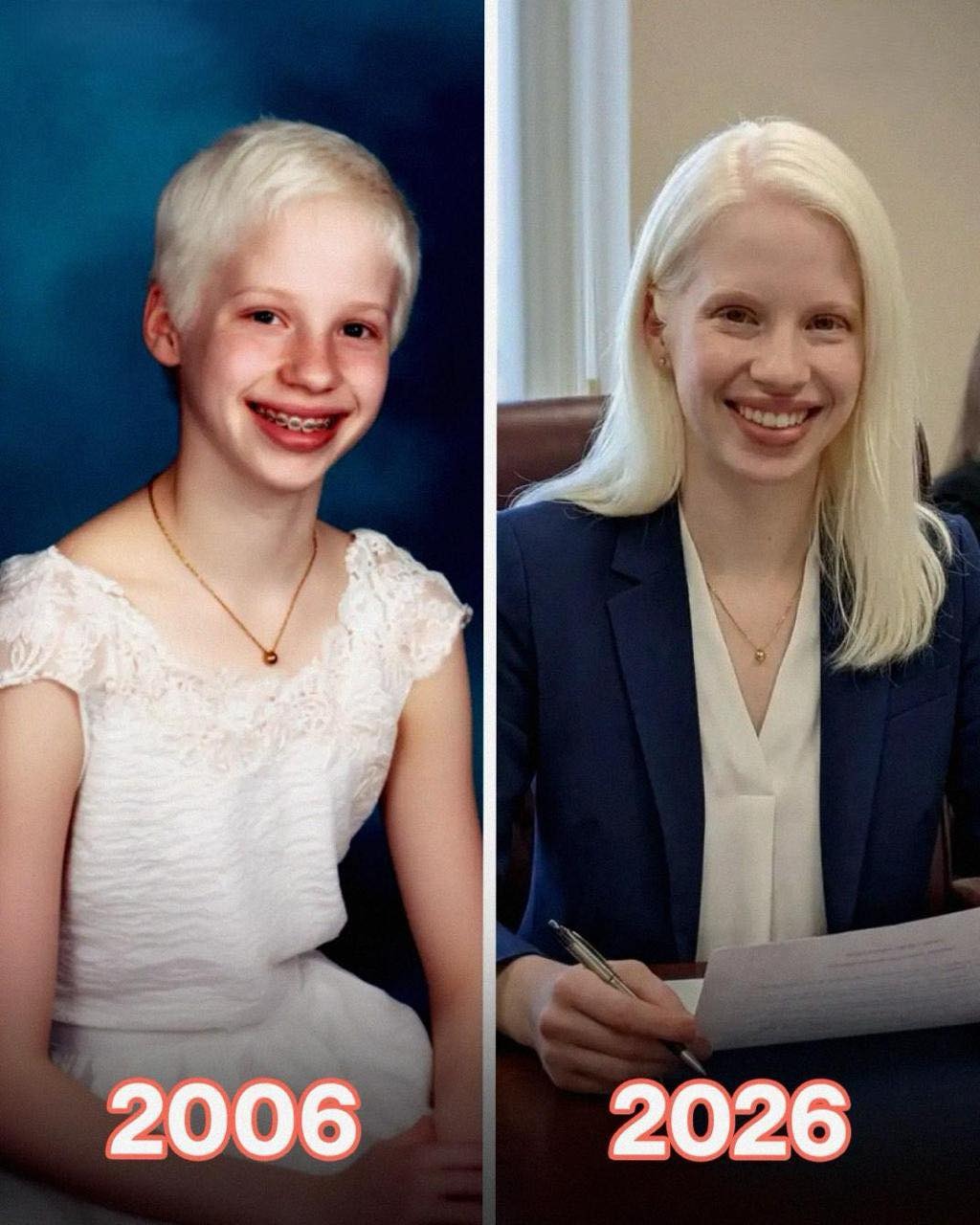
Claire built a life that prioritized structure and control. Eventually, she ended up in a senior position at a regional financial institution, managing accounts, reviewing applications, and making decisions that affected businesses and families across her area.
She was no longer someone people overlooked.
She was someone people waited on.
One Tuesday morning, a loan file crossed her desk that made her pause.
The name was familiar in a way that did not immediately make sense.
Mark H.
Same town. Same age group. Same history.
She opened the file.
Emergency medical loan request.
Amount: modest by institutional standards, but urgent.
Purpose: life-saving pediatric surgery.
Claire read it once without expression. Then again.
The financial profile was unstable. On paper, it should have been an automatic rejection.
But something about the name stayed with her longer than the numbers.
She asked for the applicant to be sent in.
When the door opened, she did not recognize him at first.
The confidence she remembered was gone. In its place stood a man who looked worn down by years of pressure he had not spoken about. He hesitated before sitting. He looked like someone expecting bad news.
Then he looked at her more closely.
And the recognition landed.
It did not happen slowly. It hit him all at once.
The room changed.
He stood up immediately, words spilling out—apologies, explanations, urgency. He tried to leave before she stopped him.
She did not raise her voice.
She simply told him to sit down.
He did.
Then he explained why he was there.
His daughter was eight. Serious heart condition. Surgery scheduled in days. Insurance coverage incomplete. No family support available. Every other option exhausted.
He said her name again quietly, as if it might soften the moment.
Claire listened without interrupting.
When he finished, she reached for the approval stamp on her desk.
She paused.
Then she stamped the file approved.
Relief broke across his face immediately.
But she wasn’t finished.
There was a condition.
She slid a revised agreement across the desk. One clause, handwritten beneath the formal terms.
He read it once.
Then again.
And understood what it meant.
She was not asking for money back or repayment changes. She was requiring accountability—public, specific, and undeniable. He would return to their former high school and speak at a student assembly. He would describe exactly what had happened in that chemistry classroom. Not softened. Not generalized. Not framed as harmless childhood behavior. The full truth, spoken aloud in the place where it had happened.
If he avoided it, the agreement would be void.
He reacted immediately—anger, disbelief, then fear. Not for himself, but for the timing. His daughter’s surgery was imminent.
Claire remained calm.
The loan would be processed once the condition was met.
Silence stretched between them.
Then, finally, he signed.
The next morning, the school auditorium filled with students, staff, and community members. Claire arrived quietly and took a seat at the back.
The building looked unchanged. That realization alone brought a weight she had not expected.
When Mark stepped onto the stage, he looked like someone standing at the edge of something irreversible.
He began carefully, speaking about accountability, adulthood, and mistakes.
Then he stopped.
And he said her name.
Claire.
The room shifted immediately.
He described everything exactly as it had happened. The glue. The braid. The nurse. The laughter. The nickname. The years it followed her.
No exaggeration. No shielding language. No attempt to reduce it.
Just truth.
The silence in the room deepened as he continued. What had once been dismissed as a “school incident” was now being heard as what it actually was: cruelty, sustained and normalized by group behavior.
When he finished, he did not excuse himself.
Instead, he spoke about his daughter. About understanding, too late, what harm actually looks like when it is real. About not wanting her future to ever intersect with the kind of indifference he once carried without thought.
And then something unexpected happened.
He offered to come back again—not for himself, but to speak to students about harm, responsibility, and choices. Not as punishment, but as ongoing accountability.
When he stepped away from the podium, the applause that followed was uncertain at first, then steady.
After the assembly ended, Claire walked down toward the front.
They spoke briefly.
He told her he almost didn’t go through with it.
She said she knew.
He also said something else—that seeing her in the room made it clear he had spent too many years protecting a version of himself that didn’t deserve protection anymore.
Later, back at her office, Claire reviewed the rest of his financial situation more carefully. The picture was more complex than the file initially suggested—medical debt, failed work contracts, and long-term instability that had built over time.
She restructured the loan instead of simply approving or denying it outright. Lowered interest obligations. Consolidated debt. Built a manageable recovery plan tied to stability, not collapse.
When she told him, he didn’t know what to say at first.
He kept repeating that he didn’t deserve it.
Claire’s answer was simple.
“It’s not about what you deserve. It’s about what you do with it next.”
He accepted.
Before leaving, he hesitated.
Then he shook her hand.
Not as an escape from the past—but as acknowledgment that it had been fully faced.
After he left, Claire sat alone for a long time.
What surprised her most was not satisfaction or anger or even closure in the dramatic sense people often imagine.
It was something quieter.
Completion.
Not because the past was erased, but because it no longer had control over what came next.
The memory of that classroom did not disappear.
But it stopped defining the direction of her life.
For the first time in years, Claire understood something simple and final:
Some moments don’t end when they happen. They end when you finally decide what kind of person you will be after them.
And that decision—more than anything else—was what set her free.
If this story stayed with you, share your thoughts below or pass it on to someone who believes in the power of accountability, growth, and second chances.