Fame Couldn’t Silence the Past
As Waylon stepped further into the music world, success came—but so did internal conflict. Music, once a source of hope, became tied to grief and unanswered questions. For a time, he even questioned whether he could continue playing at all.
Yet he returned. Not because it was easy, but because it was part of who he was. Over time, he built a reputation as someone who refused to conform. He pushed back against industry expectations, choosing authenticity over polish and control over compromise.
The Rise of the Outlaw Spirit
Waylon Jennings didn’t just perform country music—he helped redefine it. His sound, style, and attitude became central to the “outlaw country” movement, challenging the traditional Nashville system.
But the rebellion wasn’t just artistic. It reflected a deeper struggle. Behind the bold image was a man trying to navigate pressure, identity, and lingering pain. The same independence that fueled his success also isolated him at times.
When Escape Turns Into a Trap
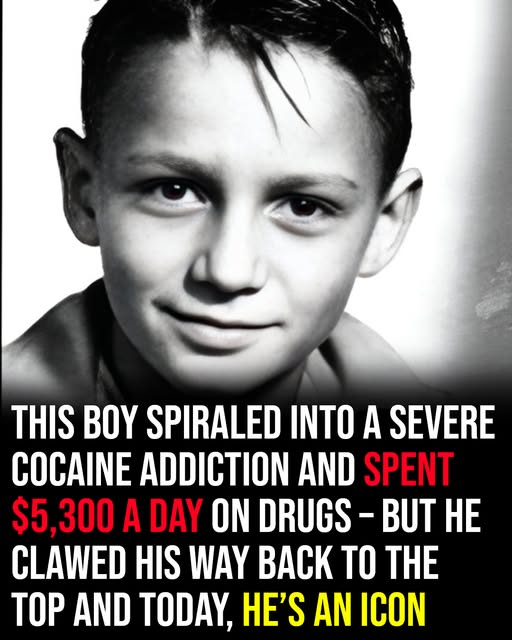
As the pressures grew, so did his reliance on unhealthy coping mechanisms. What began as a way to escape eventually became a serious problem. Addiction affected his health, relationships, finances, and sense of direction.
From the outside, it still looked like success. But internally, things were unraveling. The life that once symbolized freedom began to feel like something he couldn’t control.
Even then, music remained his anchor. Through songs, he expressed what words alone couldn’t capture—keeping a connection to himself during his darkest moments.
The Turning Point That Mattered Most
Change didn’t come from fame or industry pressure—it came from family. A moment of clarity, tied to his role as a father, forced him to take a hard look at the path he was on.
He realized that continuing the same way could cost him everything that truly mattered. That understanding marked the beginning of a difficult but necessary shift.
Recovery wasn’t immediate. It required effort, honesty, and the willingness to face years of damage. But it was the step that changed everything.
A Return With Purpose
When Waylon came back, he wasn’t the same artist—and that’s what made his later work so powerful. His music carried lived experience: loss, regret, resilience, and growth.
He didn’t try to present a perfect image. Instead, he embraced his story, flaws included. That authenticity resonated deeply with audiences who saw themselves in his journey.
A Legacy Beyond Music
Waylon Jennings’ story isn’t just about fame or talent. It’s about survival, self-reflection, and the courage to change direction when it matters most.
He became a voice for those who’ve faced struggles, made mistakes, and still found a way forward. His life shows that even when the past feels overwhelming, it doesn’t have to define the future.
A Story That Still Resonates
His legacy continues because it’s real. Not polished, not perfect—but honest. It reminds us that growth often comes through hardship, and that redemption is possible, even after the darkest chapters.
👉 If this story resonated with you, share it—because journeys like this remind us that it’s never too late to turn things around.