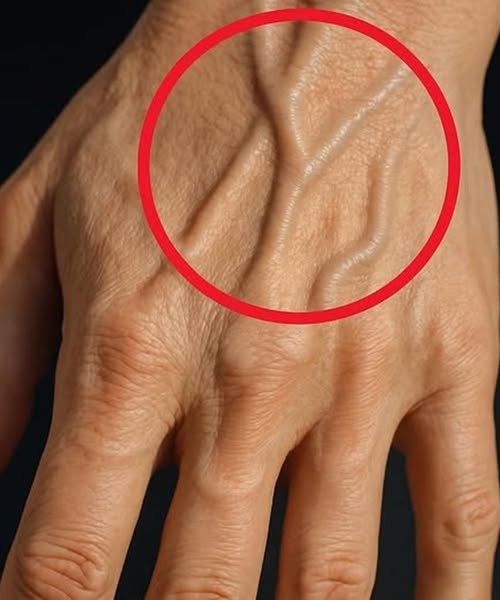
If veins suddenly become painful, swollen, twisted, or accompanied by redness and discomfort, it could indicate circulation issues such as varicose veins or inflammation.
Experts generally recommend paying attention to symptoms like:
- Persistent swelling
- Pain or tenderness
- Skin discoloration
- Sudden changes in vein appearance
- Warmth around the area
In those cases, it’s always smart to consult a healthcare professional rather than relying on internet theories.
The Internet Loves Simple Explanations
Part of the reason these claims spread so quickly online is because people naturally want simple answers about the body.
A visible physical feature feels easy to interpret:
“Visible veins = healthy.”
“Hidden veins = unhealthy.”
But the human body rarely works in such straightforward ways.
Most physical traits result from a combination of genetics, environment, hydration, activity levels, age, and countless biological factors working together.
The Bottom Line
Visible veins don’t automatically mean you’re exceptionally fit, unhealthy, or secretly superhuman. In most cases, they’re simply a natural result of body composition, skin characteristics, circulation, genetics, or temporary conditions like exercise and temperature.
The truth is usually much less dramatic than viral posts suggest.
Still, the curiosity surrounding visible veins highlights something interesting: people are paying closer attention to their bodies and trying to understand the signals they see every day.
And sometimes, that curiosity can lead to healthier awareness overall.
Have you ever noticed your veins becoming more visible after exercise or during certain seasons? Share your thoughts and experiences in the comments below!