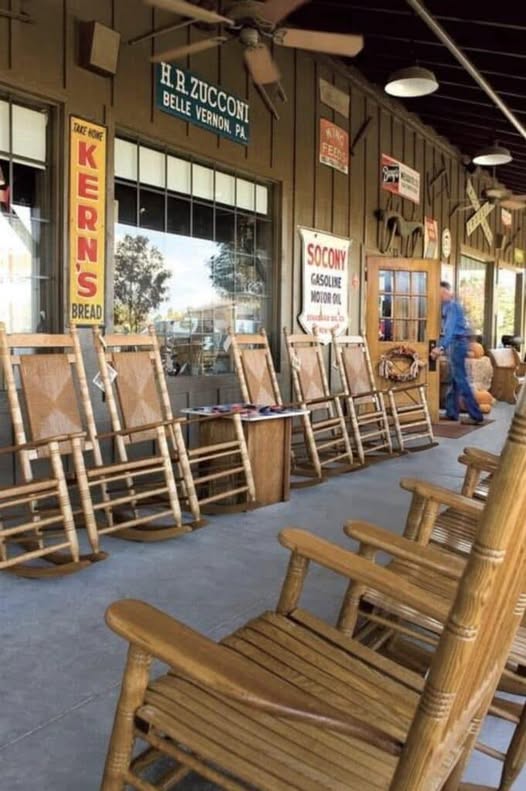
No matter where the space is recreated, the feeling remains the same. That consistency builds trust and expectation.
Visitors know what kind of emotional experience they will have before they even arrive. The idea of “familiar comfort” becomes repeatable.
Familiarity Over Accuracy
The design does not aim for historical precision. Instead, it focuses on what feels believable and emotionally recognizable.
It draws from shared cultural imagery of the past—simple, warm, and comforting moments that many people can relate to.
Every Detail Has Meaning
Nothing is placed randomly. The worn textures, muted colors, and carefully chosen objects all work together to shape perception.
Each detail supports the larger feeling of nostalgia and emotional warmth.
Nostalgia as a Design Tool
Nostalgia plays a central role in shaping the experience. It connects present surroundings with an idealized sense of the past.
This connection creates comfort, even in unfamiliar spaces, by making everything feel known.
A Selective Version of the Past
The past being represented is not complete—it is curated. Only the most comforting and universally appealing elements are highlighted.
The result is a softened version of memory, designed to feel safe and welcoming.
Subtle Influence on Perception
The environment does not force attention. Instead, it quietly guides how visitors interpret what they see.
Over time, these subtle cues shape mood, emotion, and memory without feeling artificial.
A Shared Yet Personal Experience
Although the space is shared by many people, each visitor experiences it differently.
Personal memories fill in the emotional gaps, making the environment feel uniquely individual.
The Emotional Aftereffect
Even after leaving, the feeling often lingers. A sense of calm familiarity can remain, tied to the experience.
That lasting impression is part of the design itself, extending the experience beyond the physical space.
Blending Reality and Construction
What feels natural is often carefully constructed. Yet the emotional response is real.
That balance between design and feeling is what makes the experience so powerful and memorable.
Final Reflection
Nostalgia, when thoughtfully designed, becomes more than decoration—it becomes an emotional language. It shapes how people feel, remember, and connect with a place.
Join the Conversation
Have you ever stepped into a place that instantly felt familiar, even though it was new? Share your thoughts below and tell us what details triggered that feeling for you.