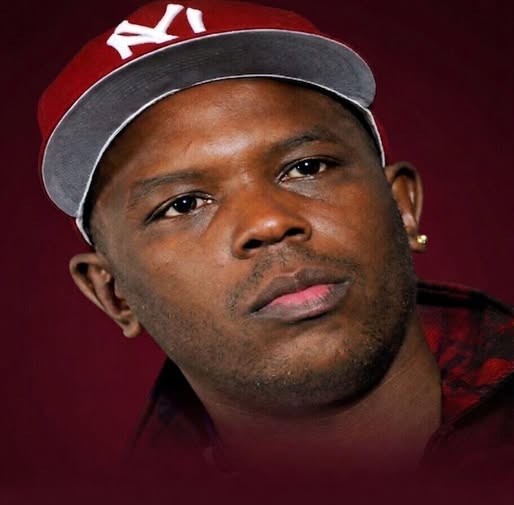
The passing of Oliver “Power” Grant at the age of 52 has prompted reflection across the hip-hop community on a truth that often goes unnoticed: some of the most influential figures in music history are never the ones on stage. While artists and performers tend to define the public face of a movement, the structure, strategy, and long-term direction are frequently shaped by people working quietly behind the scenes. Grant was one of those figures.
During the early 1990s, hip-hop was rapidly evolving, and new collectives were redefining what success in the genre could look like. Among them, Wu-Tang Clan stood out not only for its sound but for its unconventional structure—an interconnected group of distinct voices operating as one unified force. This approach challenged industry expectations and introduced a model that would influence generations to come.
Grant played a key supporting role in strengthening that vision. Rather than focusing on visibility, he concentrated on building systems that allowed creativity to thrive. His contributions helped reinforce the idea that Wu-Tang was more than a musical group—it was a cultural framework built on independence, identity, and long-term thinking.
Working alongside core members such as Method Man and GZA, he helped encourage a mindset that blended artistic expression with strategic control. At a time when many artists were dependent on traditional record label structures, Wu-Tang’s approach leaned toward ownership and self-direction. That shift would later prove to be one of the group’s most defining strengths.
Keep reading…