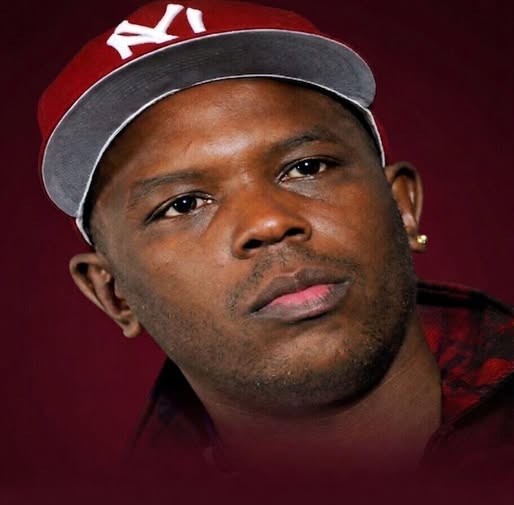
One of the clearest examples of this vision was the launch of Wu Wear, an early artist-led fashion initiative that expanded the group’s influence beyond music. It demonstrated that hip-hop could extend into business, branding, and lifestyle without losing its cultural core. Grant’s involvement in supporting that direction reflected his understanding that creative movements grow stronger when they are structurally independent.
As Wu-Tang Clan’s influence spread globally, its ability to maintain authenticity while expanding commercially became one of its defining achievements. Much of that stability came from careful planning and internal organization—areas where Grant’s contributions, though often unseen, played an important role.
Unlike many figures in the entertainment industry, Grant did not seek public recognition as his primary goal. Instead, his work reflected a quieter philosophy: that lasting impact is built through consistency, support, and vision rather than visibility alone.
His legacy now lives within the continued cultural reach of Wu-Tang Clan, whose influence spans music, fashion, and global pop culture. It also serves as a reminder that behind every major movement are individuals whose names may not always be widely known, but whose work shapes everything that follows.
If you’re interested in more stories about the hidden architects behind major cultural shifts, stay connected for deeper looks into the people who helped shape modern music from behind the curtain.