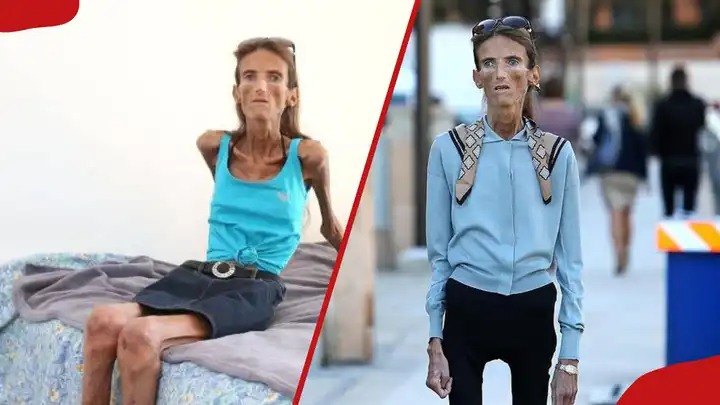
Valeria Levitin’s Story Is a Powerful Reminder That Health Matters More Than Appearance
In a world where appearance is often placed under a microscope, stories about body image can quickly attract attention. Few examples highlight this reality more than the story of Valeria Levitin.
For years, headlines focused on her extremely thin appearance. But what many people overlooked was the message she consistently tried to share: her experience was not something to admire or imitate. Instead, it served as a warning about the serious consequences that can arise when unhealthy beauty standards overshadow physical and mental well-being.
Her story continues to resonate today because the pressures surrounding appearance, weight, and self-image remain deeply embedded in modern culture.
Looking Beyond the Headlines
Much of the public attention surrounding Levitin centered on her physical appearance. However, the larger story was never about appearance alone.
Reports described her struggle with a severe eating disorder and the devastating impact it had on her health and quality of life.
What made her experience particularly troubling was the fact that some people reportedly contacted her expressing a desire to look like her. Rather than accepting that attention as flattering, she used it as an opportunity to speak openly about the dangers of extreme dieting and distorted body image.
Her message was clear: illness should never be mistaken for an ideal.
Why Body Image Remains a Major Issue
Body image affects far more than appearance.
It influences confidence, self-esteem, emotional health, relationships, and overall well-being. The way people perceive their bodies can shape how they interact with the world and how they feel about themselves every day.
While beauty standards have changed throughout history, societal pressure to achieve a certain look has remained remarkably consistent.
Today, social media platforms, celebrity culture, advertising, and digital content expose people to a constant stream of carefully curated images. While some of this content can be inspiring, it can also create unrealistic expectations about weight, shape, age, and appearance.
The Reality Behind Perfect Images
Health professionals frequently remind people that many public images do not reflect everyday reality.
Photographs and videos are often influenced by:
- Professional lighting
- Camera angles
- Editing software
- Filters
- Styling teams
- Selective presentation
When these images become the benchmark people use to evaluate themselves, dissatisfaction can grow quickly.
One of the most important lessons from Levitin’s story is that another person’s body should never become a blueprint for your own.
Every individual is different. Genetics, lifestyle, health conditions, environment, and countless other factors all influence appearance.
Comparing yourself to someone else—especially someone struggling with illness—can be both unrealistic and harmful.
Understanding Eating Disorders
Eating disorders are serious health conditions that involve complex emotional, psychological, and behavioral factors.
They are not simply about food choices, dieting, or appearance.
For many individuals, eating disorders may be connected to issues such as:
- Anxiety
- Perfectionism
- Trauma
- Low self-esteem
- Control-related challenges
- Other mental health conditions
Because eating disorders are often misunderstood, many people struggle silently without seeking help.
Increasing awareness and reducing stigma can play a critical role in helping individuals access support and treatment.
The Importance of Compassion and Support
Conversations about body image should always be approached with care and compassion.
Criticism, judgment, or comments about someone’s appearance rarely provide meaningful support. Instead, empathy, understanding, and access to professional resources are often far more helpful.
Mental health professionals emphasize that early intervention can make a significant difference in recovery outcomes.
Anyone experiencing ongoing distress related to food, weight, exercise, or body image should consider speaking with a qualified healthcare provider.
A Healthier Perspective on Beauty
In recent years, many organizations, brands, and public figures have begun promoting broader and more inclusive definitions of beauty.
There is growing recognition that healthy bodies come in many shapes, sizes, and appearances.
Rather than pursuing a single idealized image, experts increasingly encourage people to focus on overall well-being through:
- Balanced nutrition
- Regular physical activity
- Adequate rest
- Positive self-care habits
- Supportive relationships
- Mental health awareness
Health is multidimensional and cannot be accurately measured by appearance alone.
The Message Behind Valeria Levitin’s Story
Although many people first encountered Levitin’s story because of shocking headlines, the lasting lesson is far more important than any photograph.
She repeatedly emphasized that her condition represented suffering, not success.
Her experience serves as a reminder that physical appearance does not always reflect health, happiness, or well-being.
In a culture often driven by comparison, her story encourages a different perspective—one that values health, dignity, and self-acceptance above unrealistic ideals.
Final Thoughts
Valeria Levitin’s story remains relevant because it highlights an issue that affects millions of people around the world: the pressure to meet impossible standards of appearance.
While beauty trends may change, the importance of physical and mental well-being remains constant.
Her experience reminds us that true health cannot be measured by a number on a scale, a clothing size, or an image shared online.
Instead, it is found in balance, self-respect, support, and the ability to live a healthy and fulfilling life.