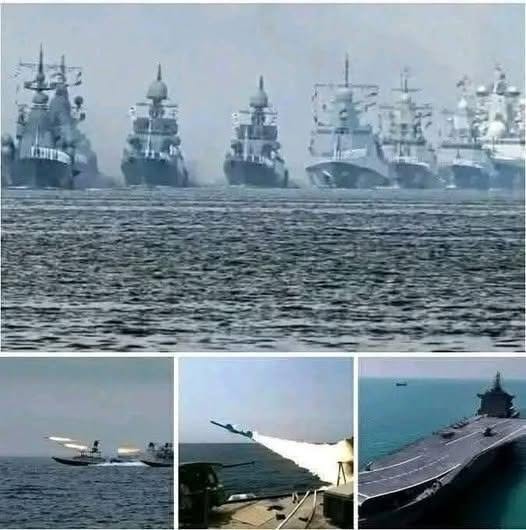
In today’s connected world, major global events no longer unfold only on battlefields or in diplomatic meeting rooms. They also play out across social media feeds, financial systems, cybersecurity networks, and public opinion.
This new reality has changed how people understand conflict. A breaking headline, viral video, or dramatic post can make a complex international situation seem simple, immediate, and terrifying. But when speed replaces accuracy, the public becomes more vulnerable to confusion, fear, and manipulation.
Modern Conflict Is No Longer Always Visible
For generations, people understood conflict through visible signs: military movements, border disputes, airstrikes, and official declarations. Today, however, many of the most serious global tensions happen in less obvious ways.
Modern competition between nations may involve cyberattacks, disinformation campaigns, economic pressure, intelligence operations, and influence efforts designed to create instability without triggering open war.
These actions are often difficult to identify in real time, which makes them even more challenging for the public to understand.
The Rise of Gray-Zone Warfare
Experts often use the term “gray-zone conflict” to describe actions that fall somewhere between peace and traditional war.
These tactics may include attacks on digital infrastructure, attempts to influence elections, support for proxy groups, or efforts to weaken trust in public institutions.
Keep reading…