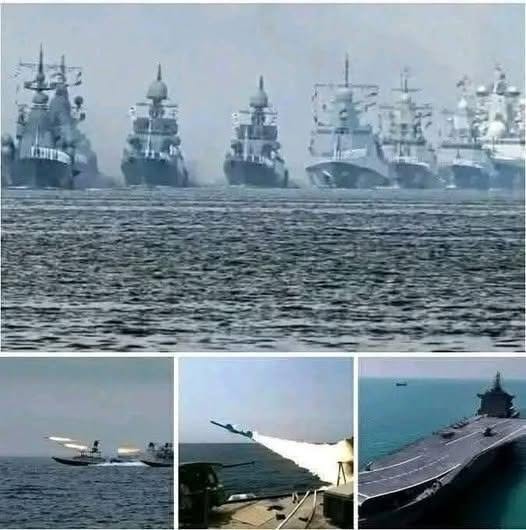
Because these actions are often indirect, governments and citizens may struggle to determine whether they are witnessing routine political tension or a serious security threat.
That uncertainty is part of the strategy.
Why Social Media Can Distort Reality
Social media has made global news more accessible than ever, but it has also made misinformation easier to spread.
Platforms reward content that generates strong emotions, especially fear, anger, and outrage. As a result, dramatic claims often travel faster than verified reporting.
A complicated diplomatic issue can be reduced to a misleading caption. A developing security concern can be exaggerated into panic. A rumor can reach millions before facts are confirmed.
This creates an environment where people may feel informed while actually receiving only fragments of the truth.
The Danger of Constant Alarm
When audiences are repeatedly exposed to exaggerated warnings and worst-case scenarios, they can become overwhelmed or desensitized.
This is dangerous for two reasons.
First, people may panic over events that are still unclear. Second, they may ignore serious warnings when real threats emerge.
In both cases, misinformation weakens public understanding and makes it harder for societies to respond calmly and effectively.
How to Stay Informed Without Being Misled
Navigating today’s information landscape requires patience and discipline.
Instead of reacting instantly to every viral post, readers should slow down and ask important questions:
Is the source reliable?
Has the information been confirmed elsewhere?
Is the post using emotional language to provoke fear?
Are important details missing?
Is this news, opinion, or speculation?
These simple checks can help separate credible reporting from misleading content.
Accuracy Matters More Than Speed
In global affairs, the first version of a story is not always the most accurate.
Major events often take time to understand fully. Governments may release limited information, journalists may need hours or days to verify details, and analysts may disagree on what events mean.
That does not mean people should ignore breaking news. It means they should approach it carefully.
Being informed is not about reacting first. It is about understanding better.
The Bigger Lesson
The world is facing real challenges, from cybersecurity risks to geopolitical tensions and economic pressure. But fear alone does not make people safer.
Clear thinking, reliable information, and media literacy are far more useful than panic.
In an age when invisible conflicts can shape real-world outcomes, the public must learn to look beyond viral headlines and seek the deeper context behind major events.
Final Thoughts
Modern conflict is complex, fast-moving, and often difficult to see clearly. Social media can help people stay aware, but it can also amplify fear and confusion when information is incomplete or misleading.
The best defense is not paranoia.
It is perspective.
By choosing accuracy over urgency and verified facts over emotional speculation, readers can better understand the world without being controlled by the noise surrounding it.
How do you decide which news sources to trust? Share your thoughts in the comments and join the conversation.