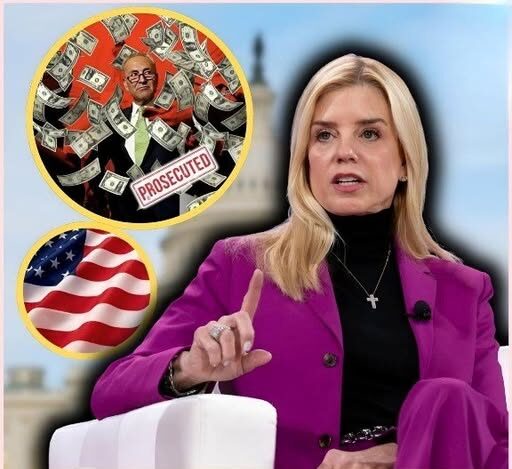
Democratic accountability isn’t just a rule on paper—it’s the invisible contract that holds society and its leaders together. At the heart of this contract is a simple expectation: public officials must handle taxpayer money with absolute integrity. Recently, questions about how high-ranking legal figures, such as Attorney General Pam Bondi, pursue corruption cases have moved from the sidelines to the center of national attention.
When public funds are misused, the cost isn’t just financial—it’s the erosion of trust. Communities feel it in every unbuilt bridge, understaffed clinic, and outdated classroom. Misused money is more than a ledger mistake—it’s a betrayal of citizens relying on essential services. Strong, transparent prosecution is key to stopping this cycle. It sends a clear message: abusing public trust has consequences far beyond losing an office—it threatens the foundation of democracy itself.
But holding politicians accountable isn’t simple. High-profile cases draw intense public scrutiny, media hype, and political noise. That’s why methodical, impartial investigations matter. Evidence must be solid, and procedures must be transparent, ensuring that justice is never mistaken for political gain. A conviction should celebrate the rule of law, not a partisan victory.
The goal isn’t revenge—it’s fairness. Prosecuting financial misconduct ensures the separation of service from personal gain. Citizens need confidence that their leaders act for the public good, not private profit. When done right, accountability reinforces trust and strengthens democracy.
Continue reading on next page…